The 2027 model year is already being priced, ordered and, in some cases, built. For buyers, the headline is rarely a dramatic new shape. It is the accumulation of smaller decisions: which charging standard a car uses, what software is included, how long a subscription lasts and whether an independent workshop can service the thing.
We spoke to dealers, workshop owners and industry analysts about the changes they are preparing for. Five themes came up repeatedly. None of them is science fiction. All of them will affect what you pay and how you live with a new car.
1. One charging plug, finally
The shift toward the North American Charging Standard connector is now well underway. Several brands have promised native ports on 2027 models, with adapters for older cars. The practical benefit is access to a larger fast-charging network without a dongle. The practical complication is that early buyers may still need an adapter for older stations.
For used buyers, the connector is becoming a resale factor. A car with a native NACS port and confirmed network access will be easier to sell than one that depends on an adapter and a software agreement. Ask for the details in writing, including whether network access is free, time-limited or tied to the original owner.
2. Software is the new options list
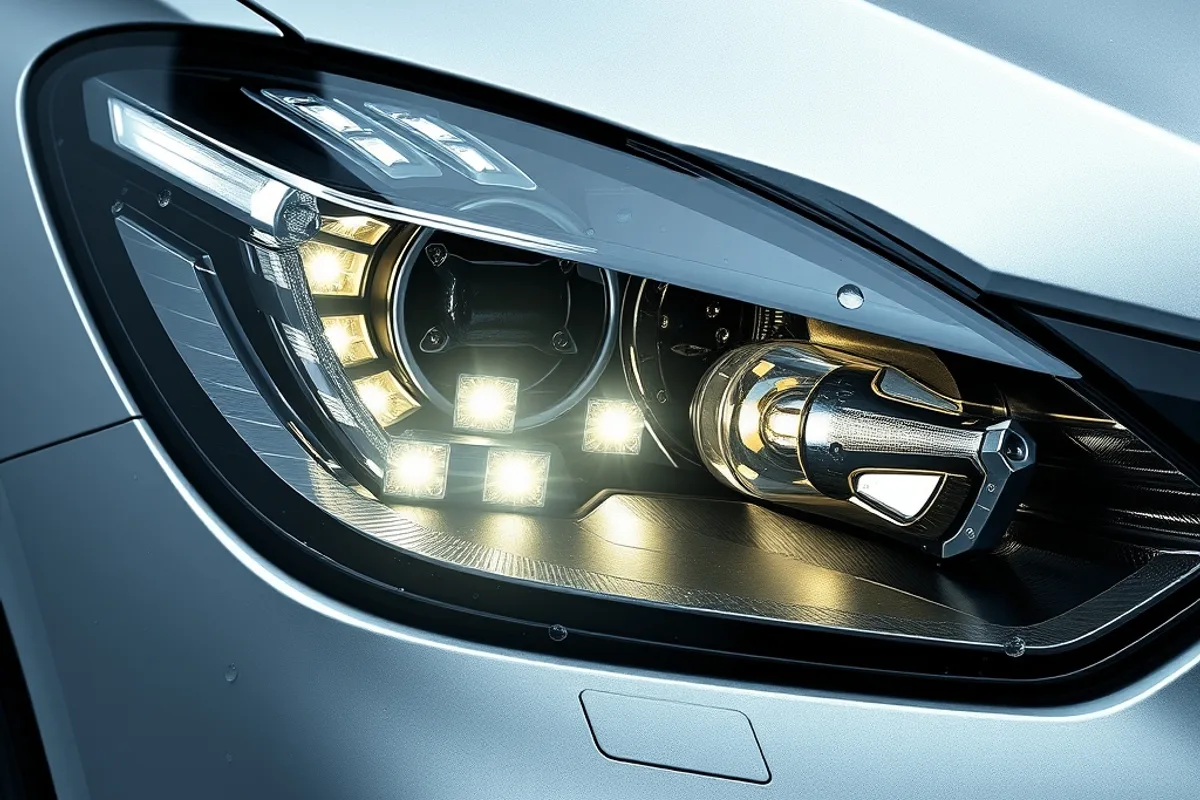
Dealers are preparing for more features that are installed at the factory but activated by subscription: adaptive high beams, advanced driver assistance, remote climate, even performance upgrades. Some are one-time purchases; others are monthly. The hardware is already in the car, which makes the pricing feel arbitrary to buyers.
The question to ask is not "does it have the feature?" but "what does it cost over five years, and what happens if I stop paying?" A heated seat that stops working in winter because a subscription lapsed is a different proposition from a navigation trial. Read the terms before signing.
“The most important option on a 2027 car may be a line in a software licence, not a box on the order sheet.”
Clara Bennett, Automotive News

3. Assistance systems get stricter
Regulators in several markets are tightening the rules around driver-monitoring systems, automatic emergency braking and lane-keeping. The result is more cameras, more sensors and more warnings. Done well, these systems reduce fatigue and low-speed collisions. Done badly, they beep at the driver for doing nothing wrong.
On a test drive, pay attention to how the systems behave in ordinary conditions: a narrow road, a faded lane marking, a cyclist at the edge of the lane. Ask whether the settings can be adjusted and whether they stay adjusted after a restart. Some cars reset to default every time, which owners find maddening.
4. The repair monopoly gets a little smaller
Right-to-repair pressure is starting to change how manufacturers share diagnostic data. Several brands now offer short-term access to service information for independent shops, though the cost and the terms vary widely. The trend is toward more access, not less, but it is uneven.
For buyers, this matters after the warranty ends. A car that can only be serviced at a franchised dealer will cost more to own. Ask before you buy: can an independent shop read the fault codes, program a replacement module and access the service schedule? If the answer is no, factor it into the budget.
5. Prices stay under pressure
New-car prices are being pulled in two directions. Cheaper batteries and more competition are pushing down the cost of electric models. Tariffs, shipping costs and the expense of new safety technology are pushing up everything else. The result is a wider spread between the cheapest and most expensive versions of the same car.
Dealers are also holding more inventory than they did during the shortage years, which means discounts are returning. The best time to buy is usually the end of a quarter, when sales targets matter. The best time to buy a newly redesigned model is often a year after launch, when early faults have been fixed. Neither rule is absolute, but both are useful.