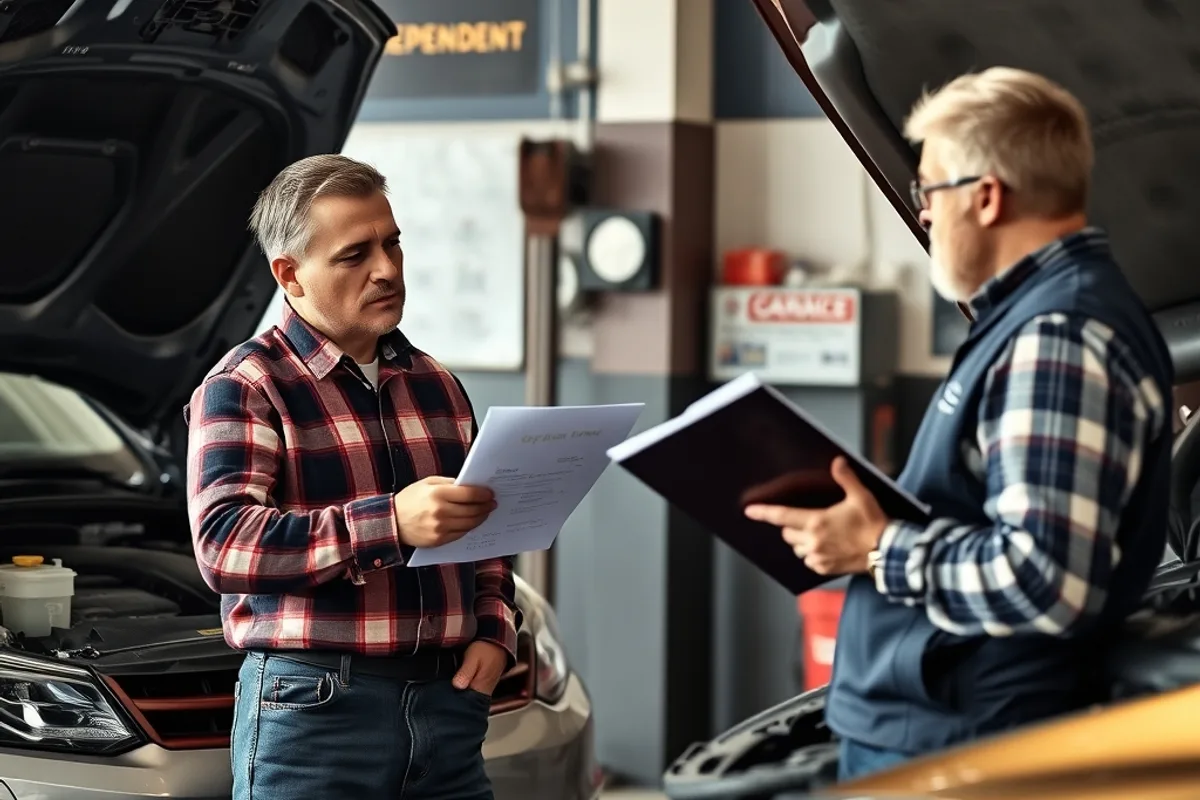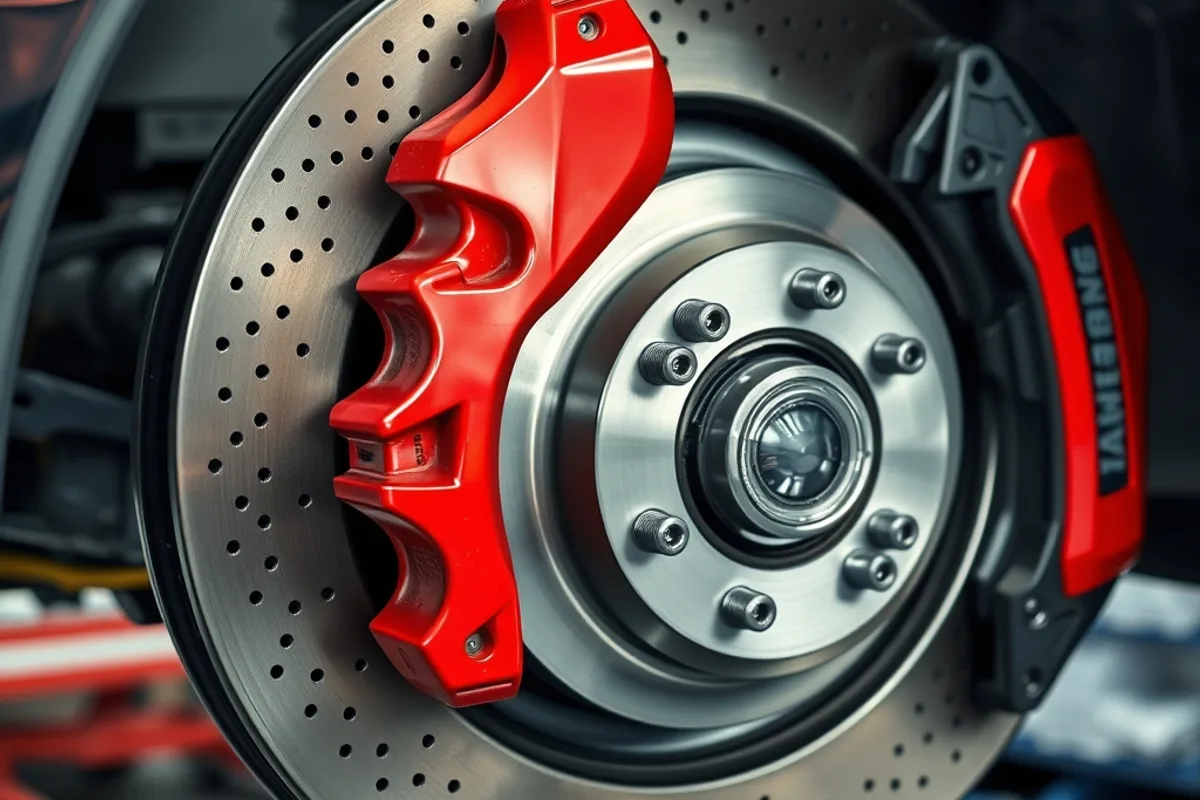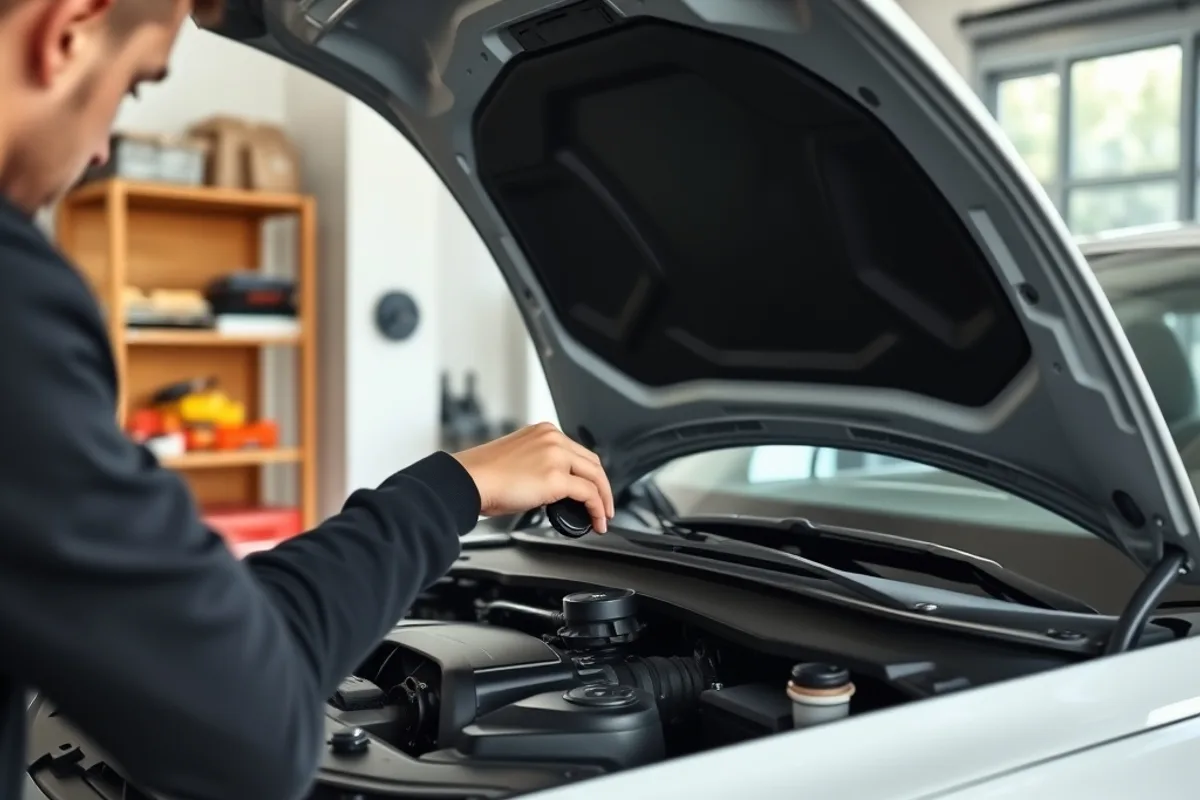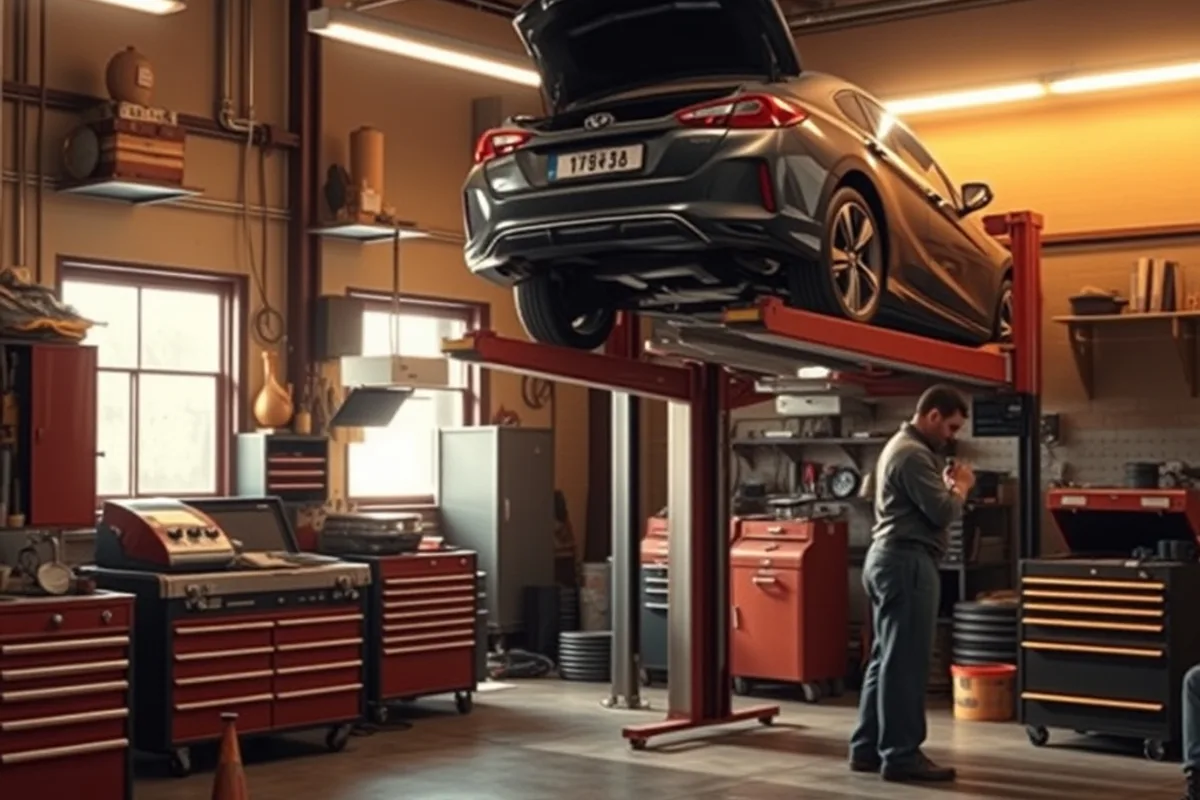
The right-to-repair argument used to be about phones and farm equipment. It has arrived in the garage. Modern cars generate enormous amounts of data, run millions of lines of code and increasingly require a manufacturer connection to program a replacement part. Independent workshops say that without access to that connection, they cannot compete, and owners pay the difference.
The debate is not really about whether a mechanic can change a brake pad. It is about whether a car owner can choose who repairs the electronic systems that now control the brakes, steering, charging and climate. That is a bigger question than it sounds, and the rules are still uneven.
What "right to repair" actually covers
In the automotive context, right to repair usually means access to service information, diagnostic tools, replacement parts and the software needed to pair a new module with the car. It does not mean free access, and it does not mean manufacturers must publish their source code. It means a fair, non-discriminatory route for independent shops and owners.
Some jurisdictions have had service-information rules for years. Others rely on voluntary agreements. The result is a patchwork: a repair that is straightforward in one country can require a dealer visit in another, even for the same model.
Why telematics changes the argument
Older cars communicated through a physical diagnostic port. Newer cars send data over a cellular connection, which lets the manufacturer see faults in real time and push software updates. That is genuinely useful. It also gives the manufacturer a gatekeeping role: if the only way to complete a repair is through the manufacturer's server, the independent shop is locked out.
Security is the manufacturers' main objection, and it is not frivolous. A car is a safety-critical device, and unrestricted access to its software could be dangerous. The policy question is how to provide secure, audited access without making the dealer the only option.
“The repair shop is not asking for the keys to the factory. It is asking for the same diagnostic door the dealer uses, with the same locks.”
Julien Moreau, Automotive News
What has changed recently
The most concrete progress has come at the state and regional level. Massachusetts voters approved a broad automotive right-to-repair measure in 2020, and the resulting rules require manufacturers to give owners and independent shops access to the same telematics data the dealer network receives. Implementation has been slow and contested, but it set a precedent that other jurisdictions have studied closely.
In Europe, long-running competition rules already require manufacturers to share technical information with independent operators, and the debate has shifted toward how that access works in practice for software-defined vehicles. In the United States, federal proposals such as the REPAIR Act have gathered support without becoming law. The pattern is consistent: broad principles are agreed, and the details are fought over for years.
What owners can do now
Ask before you buy. If you plan to keep a car beyond its warranty, find out whether the manufacturer sells service information and diagnostic access to independent shops. Some do, at a daily or monthly rate. Others do not. A salesperson may not know, so ask for the policy in writing.
Keep records. If a repair requires a dealer-only tool, get the explanation in writing and keep the invoice. Consumer-protection agencies use patterns of complaints to decide where to investigate. A single complaint rarely changes a policy; a hundred documented ones can.
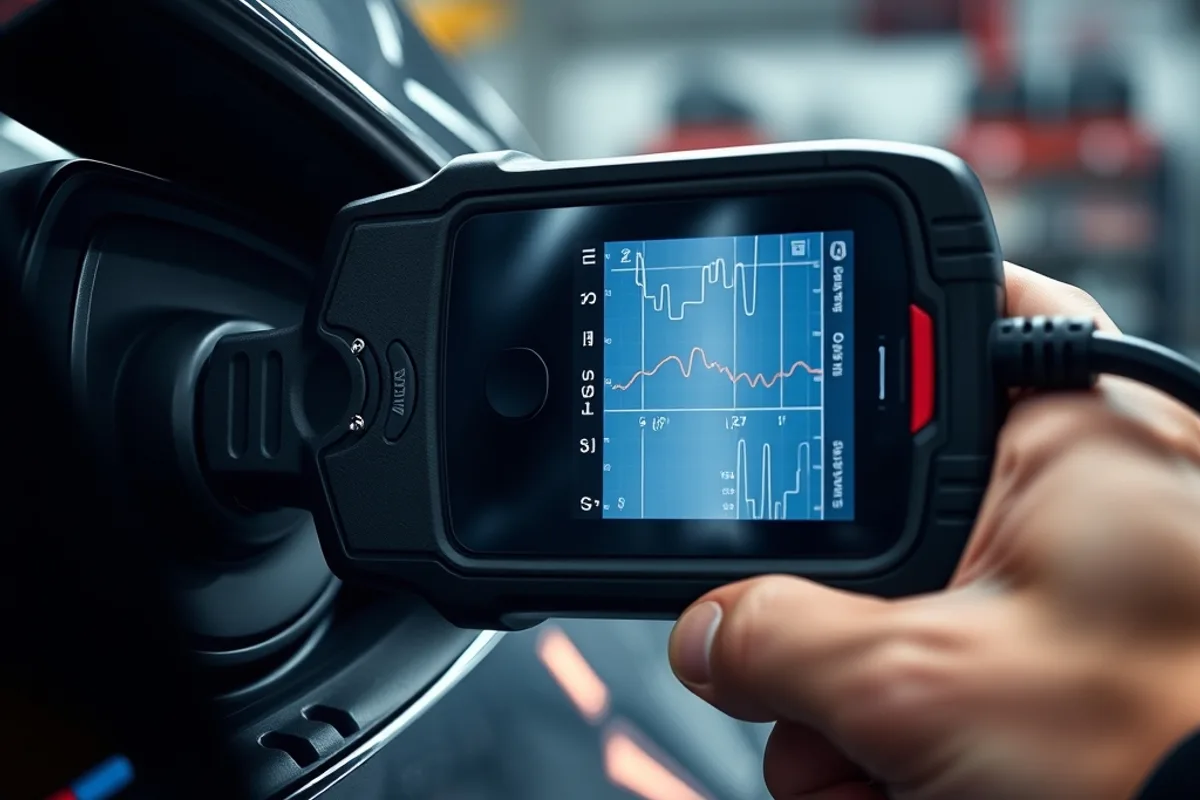
Choose a shop with the right equipment. Independent workshops are not all equal. A good one will have a capable scan tool, a subscription to the relevant service data and a willingness to show you the fault codes. That combination is becoming a competitive advantage.
The road ahead
The direction of travel is toward more access, but slowly and unevenly. Manufacturers are experimenting with paid service-information portals, and some are cooperating with aftermarket scan-tool makers. At the same time, more functions are moving into software, which gives the gatekeeper more power.
For owners, the practical advice is simple: treat repair access as part of the total cost of ownership. A cheaper car that can only be serviced by one network may cost more over ten years than a slightly dearer car with an open repair ecosystem. The sticker price is only the first bill.