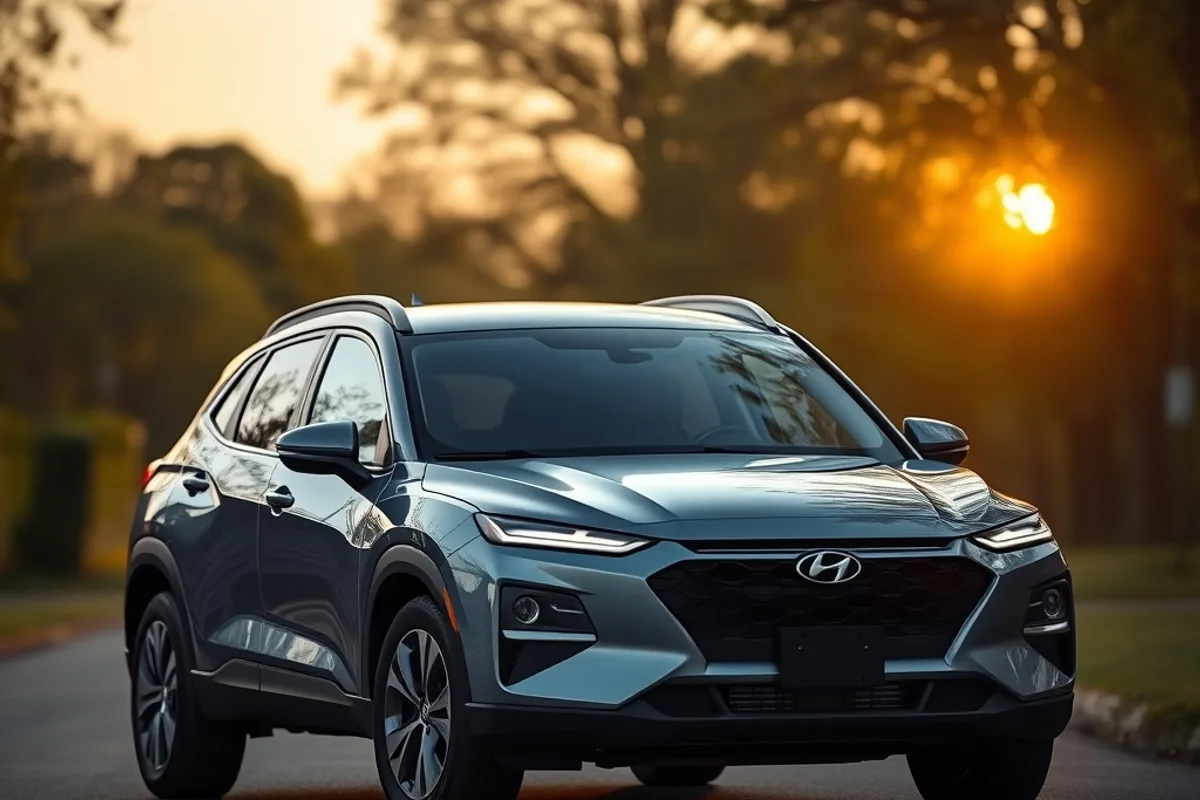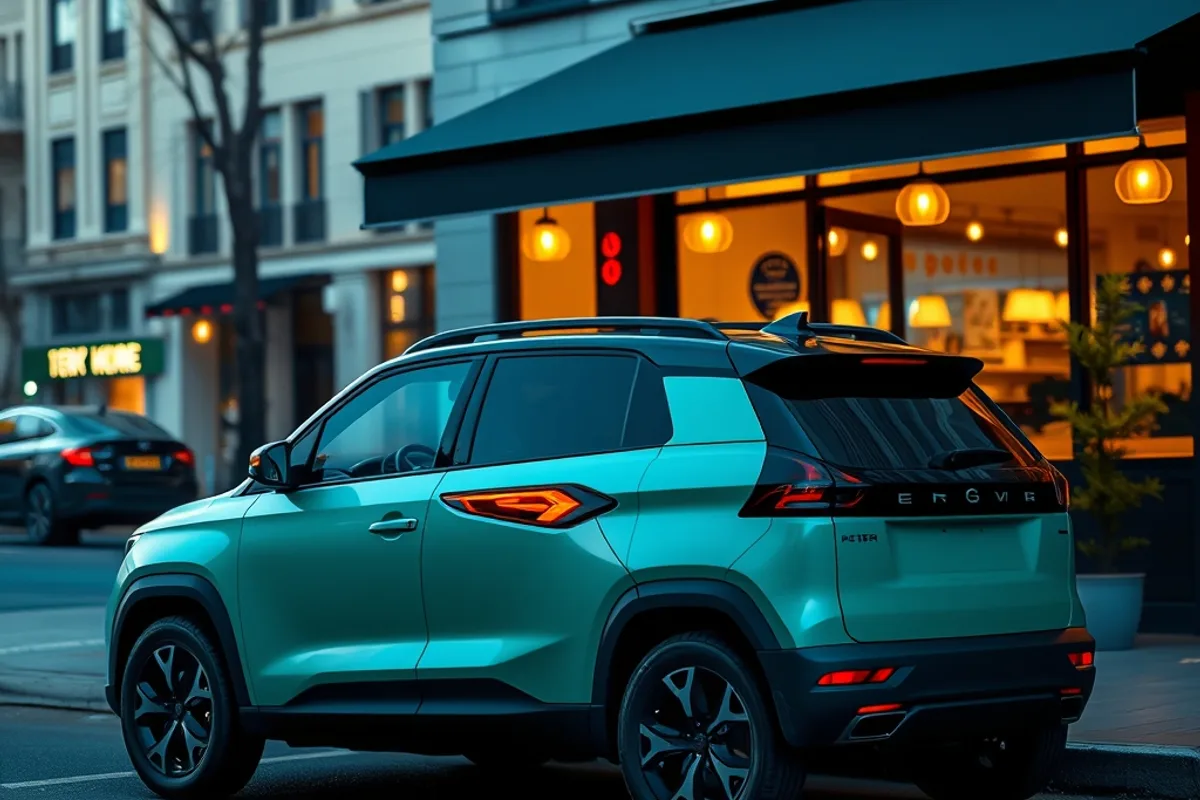
Most electric car reviews are written on the launch program, in a warm country, with a route planned around fast chargers. This one is not. We have lived with a Kia EV3 for five months, put 5,000 miles on it, and used it for the least glamorous jobs we could find: school drop-offs, airport runs, a muddy weekend in the hills and one very long detour caused by a closed motorway.
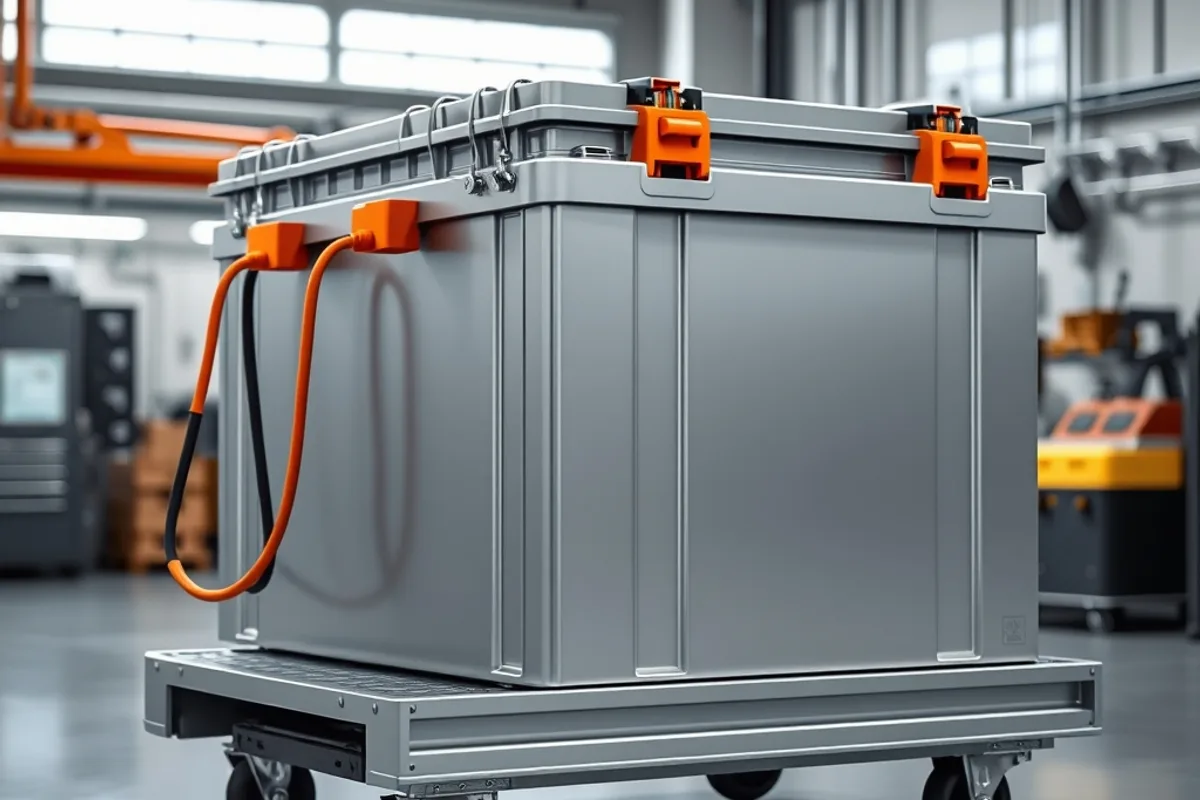
We deliberately chose the smaller 58.3 kWh battery. It is cheaper, lighter and, in theory, all the car most people need. The question was whether the smaller pack would become an constant source of anxiety in a country where public charging is still uneven. The short answer is no. The longer answer involves a few honest caveats.
Real range, not the brochure number
Kia quotes around 270 miles for this version. In mild weather, at a steady 65 mph, we saw an indicated 246 miles of range after a full charge. In town, with plenty of regeneration, that climbed to 280. In January, with the heater set to 21°C, the motorway figure dropped to 198 miles.
That winter number matters more than the best-case one. A 200-mile motorway range is enough for most journeys, but it turns a 300-mile trip into a charging stop. On a 150 kW charger, the car went from 12 to 80 percent in 31 minutes. On a 50 kW unit, the same top-up took over an hour. The car is fine; the infrastructure is the variable.
What 5,000 miles taught us about charging
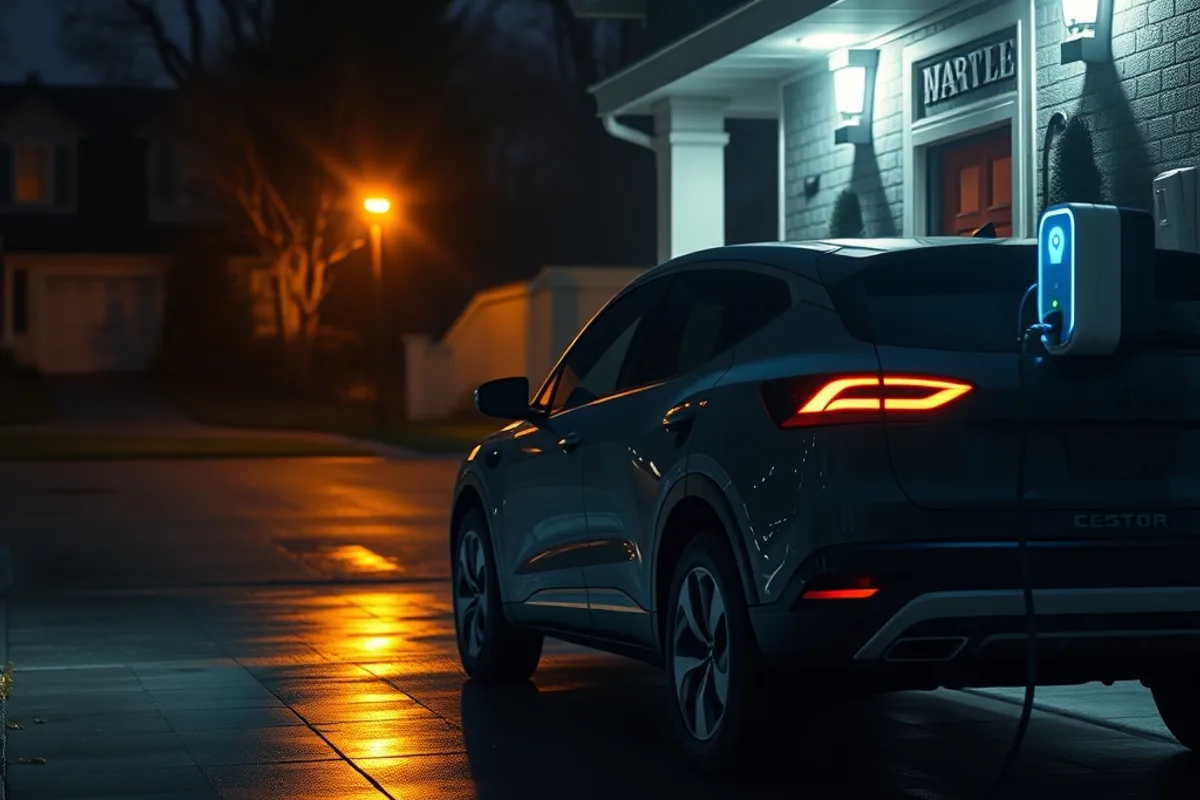
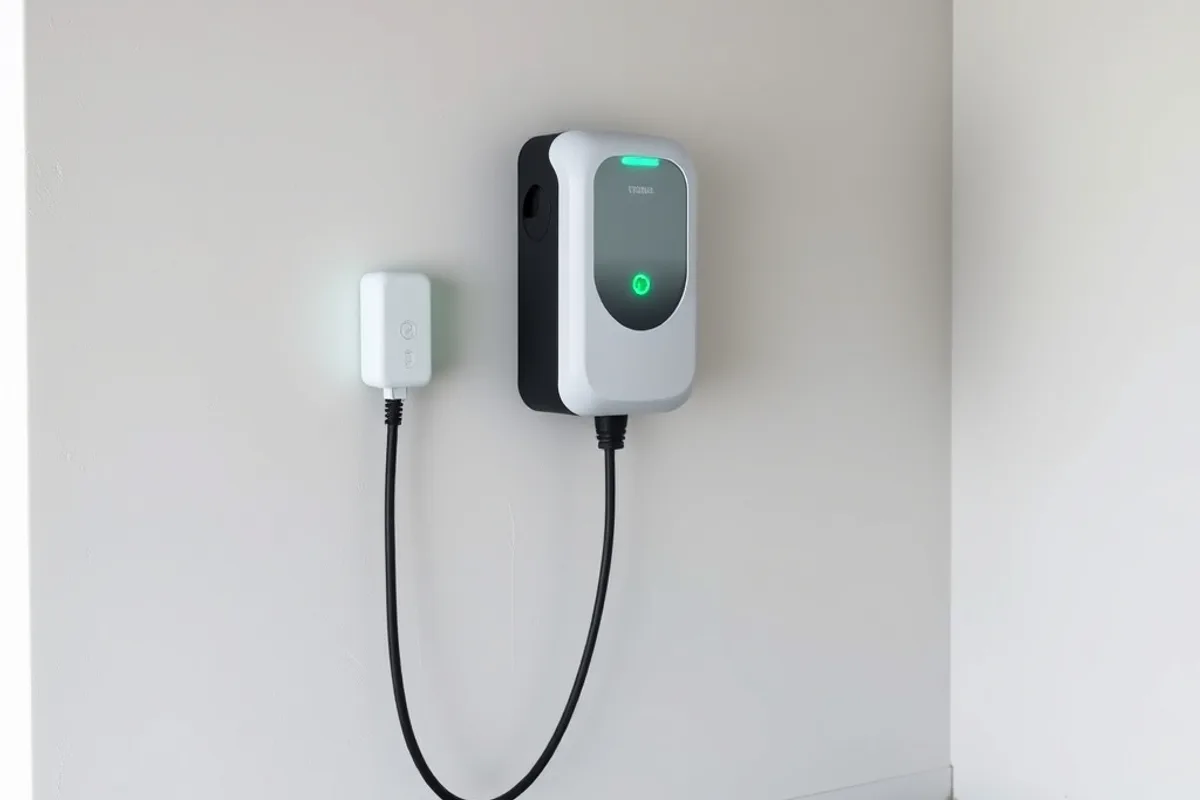
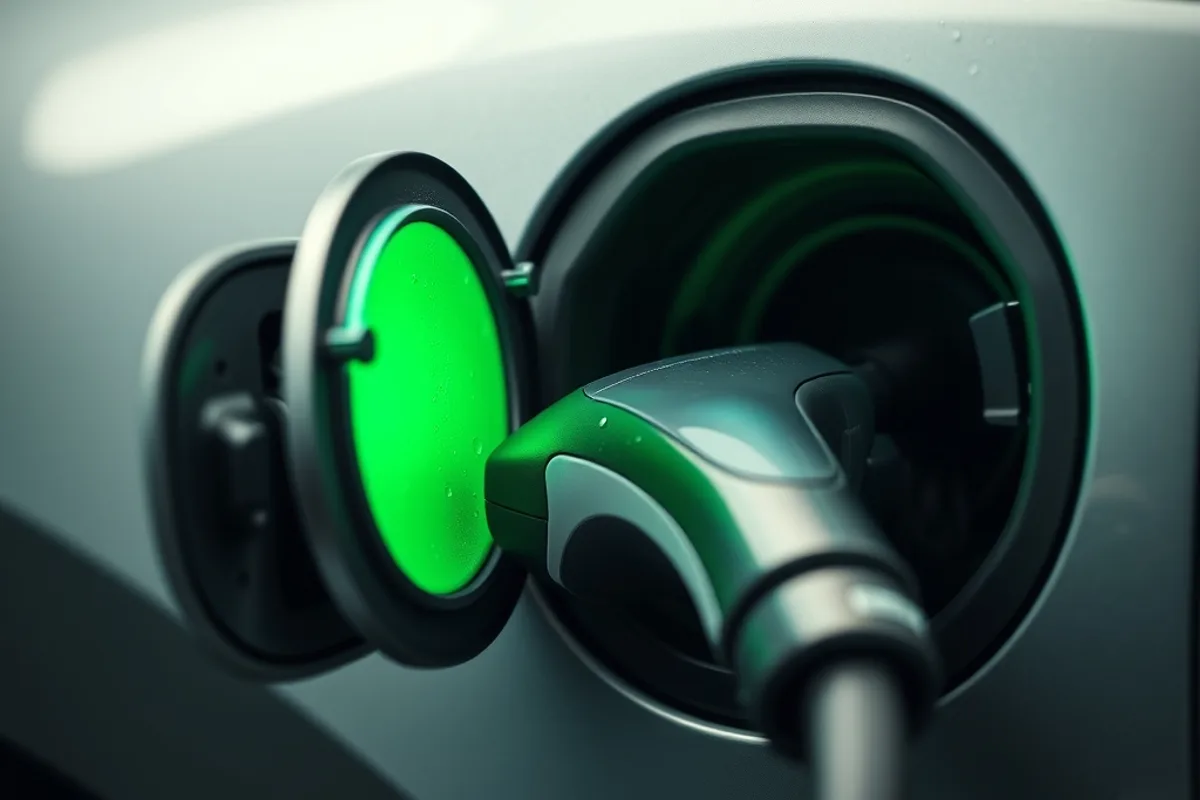
At home, on a 7.4 kW wallbox, a full charge took just under eight hours. We rarely needed one. The routine that emerged was simple: plug in twice a week, keep the car between 20 and 80 percent, and charge to 100 percent only before a long trip. The battery health display still reads 100 percent, which is not proof of anything at this age but is reassuring.
Public charging was the weak point. Not the car's fault, but part of the ownership experience: two chargers were out of service, one app refused to accept a card, and a third site had a queue at 6 pm on a Friday. We learned to check status before leaving and to keep a backup site in mind. That is a habit no petrol car ever demanded.
“The smaller battery did not shrink our lives. It changed where we stopped for coffee.”
Priya Nair, Car Reviews
Living with the cabin
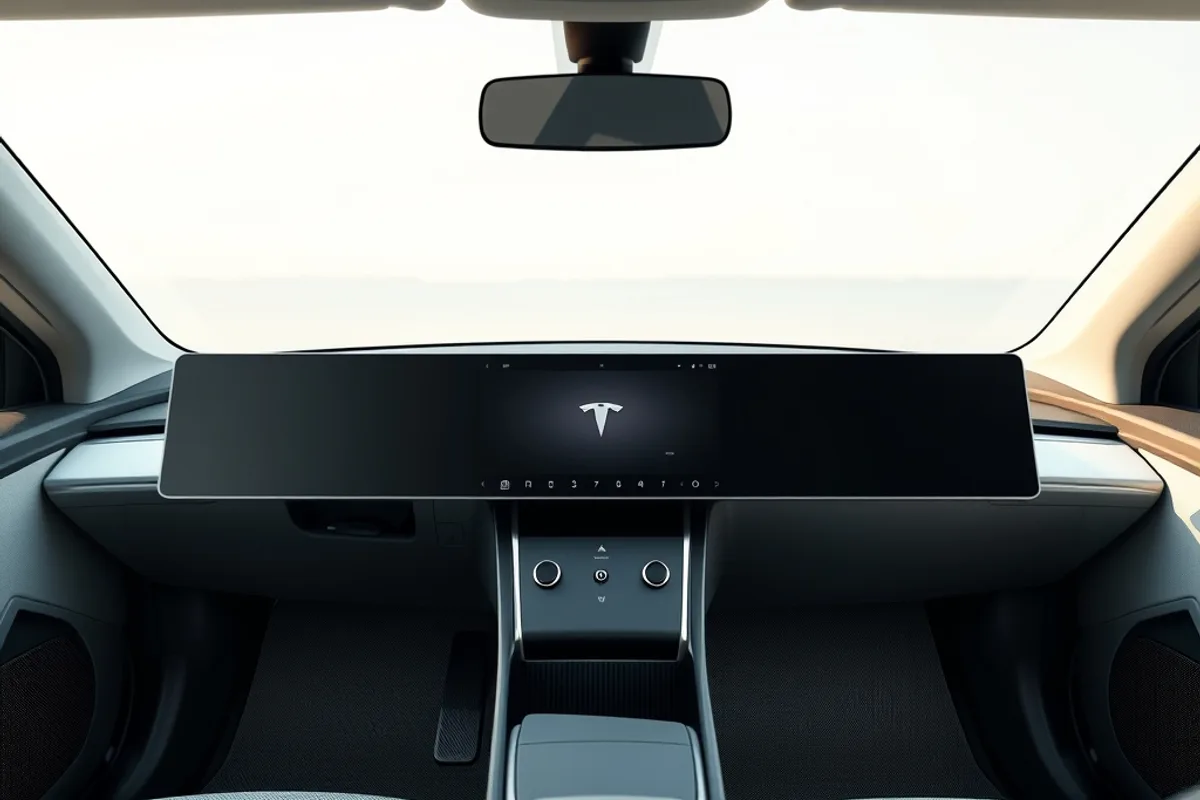
The interior is the best argument for the EV3. The flat floor, high roofline and upright seats make it feel larger than its footprint. The dual-screen panel is crisp and quick, though the gloss black surround collects fingerprints. The recycled fabric seats have worn well; the only visible mark after five months is a faint crease on the driver's bolster.
Storage is clever without being gimmicky. There is a sliding table between the front seats, a deep bin under the armrest and door pockets that hold a large bottle. The boot is 16 cubic feet, which is enough for a weekly shop or two cabin bags. The frunk is tiny, good for cables and not much else.
The cost of the first 5,000 miles
Our home electricity tariff averaged 22 cents per kWh. The car used roughly 1,480 kWh over 5,000 miles, including charging losses, for a fuel cost of about $326. A comparable petrol crossover at 35 mpg and $3.40 a gallon would have cost around $486. The saving is real but smaller than the marketing suggests, especially if you rely on public fast charging at 50 cents or more per kWh.
Servicing so far has been one inspection: no oil, no filters, a brake check and a software update. The tires are wearing evenly, with around 5 mm left on the fronts. Insurance was 12 percent higher than the petrol car it replaced. Depreciation is the great unknown; early residuals look steady, but the market is young.
The verdict after five months
The EV3 makes the strongest case yet for a small electric family car. It is comfortable, efficient, genuinely practical and pleasant to drive in a way that has nothing to do with acceleration figures. The smaller battery is the right choice for anyone who can charge at home and rarely drives more than 200 miles in a day.
The caveat is the one we started with: if you cannot charge at home, the arithmetic changes. Public charging is more expensive, less reliable and more time-consuming than the brochures admit. The car is ready for the mainstream. The infrastructure is still catching up.