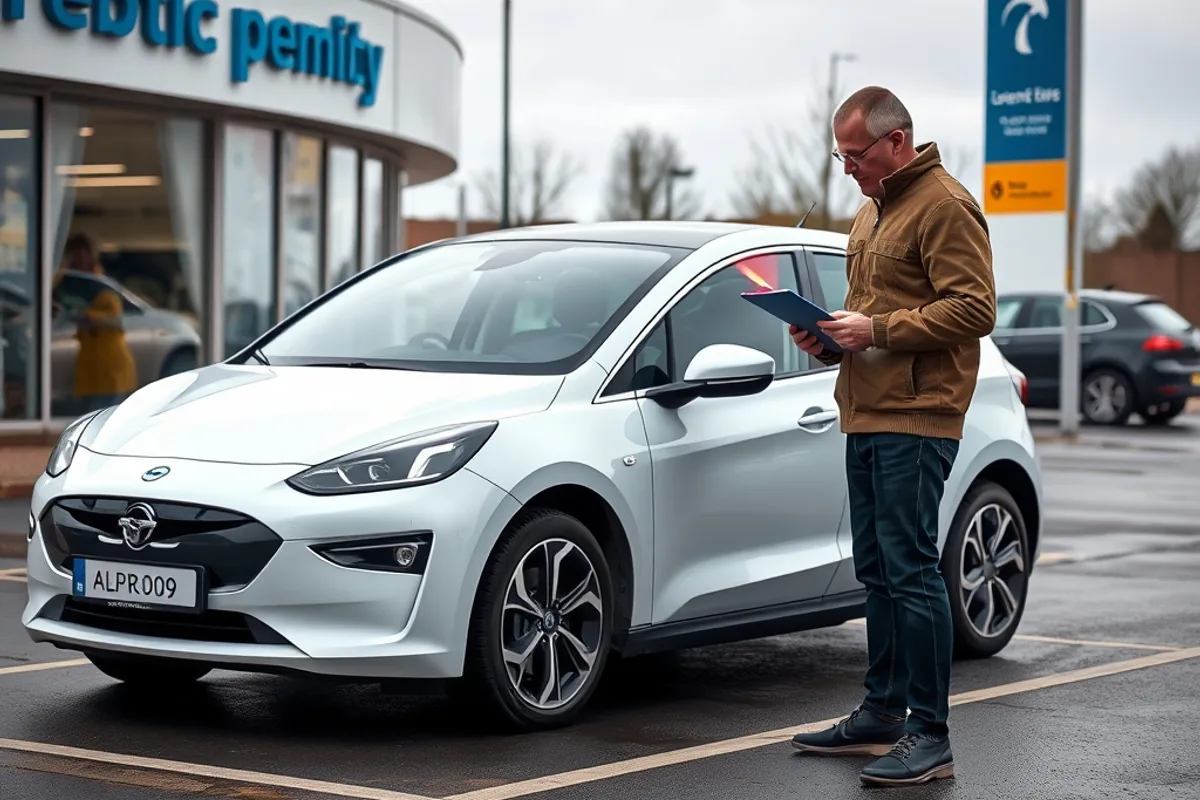
Buying a used combustion car is a familiar ritual: check the service history, listen for rattles, look for rust. Buying a used electric car adds a variable that most buyers cannot see, smell or hear. The battery may have lost 8 percent of its capacity, or 22 percent. The difference changes the range, the resale value and how happy you will be in three years.
The good news is that battery health is measurable. The bad news is that the number on a dashboard is not always the number that matters. Here is how to read a report, what to ask for, and when to walk away.
State of health, explained
State of health (SoH) compares the battery's current usable capacity with its original capacity. A 90 percent SoH means the pack holds 90 percent of the energy it did when new. Most manufacturers consider 70 percent the end of the useful life for warranty purposes, though the car remains usable below that.
Degradation is not linear. Most loss happens in the first two or three years, then flattens out. A three-year-old car at 90 percent may stay near 88 percent for several more years. A five-year-old car at 82 percent is not necessarily a bad buy, but you should price in the reduced range and the eventual replacement.
Ask for the right report
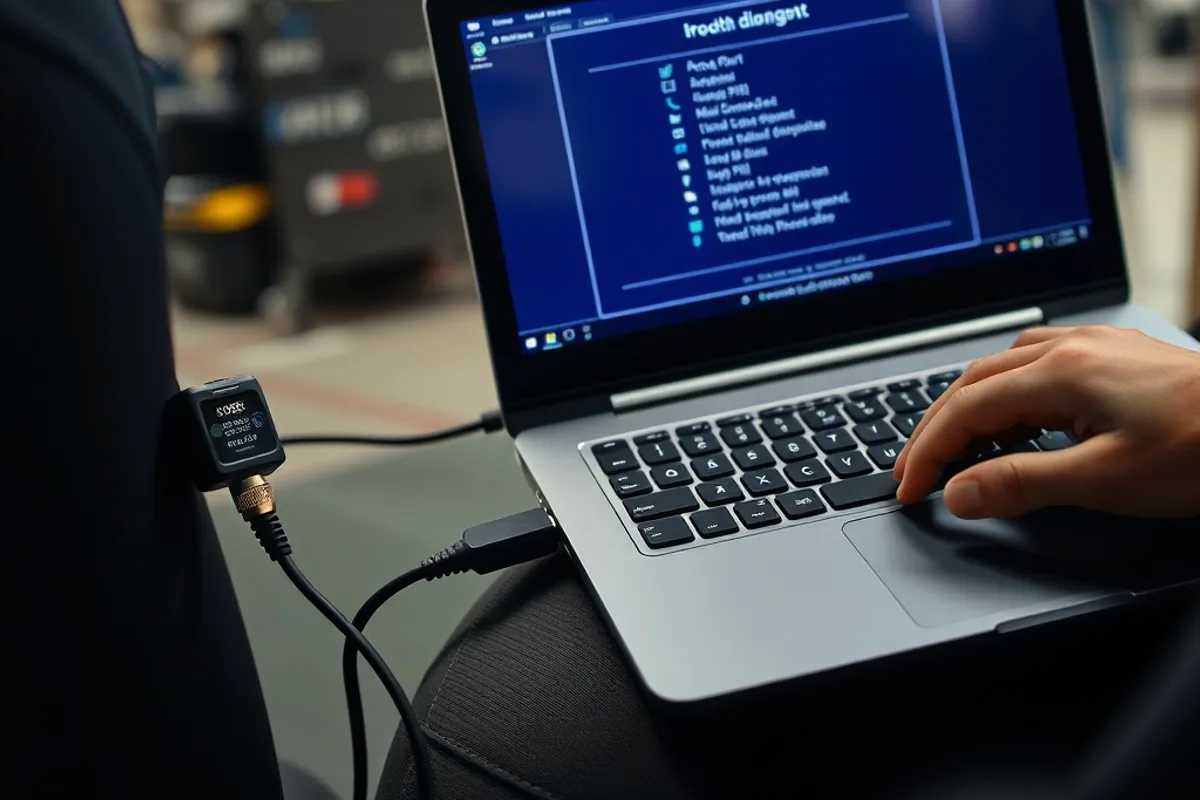
A dealer can print a battery health report from the manufacturer's diagnostic tool. Ask for the raw values, not just a green tick: SoH, pack voltage, cell voltage imbalance, module temperatures and the number of fast-charge sessions if available. A private seller may not have access, so budget for an independent inspection.
Third-party apps and OBD dongles can read some data, but coverage varies by make. Treat a generic app's "battery score" as a prompt for further checks, not a verdict. The most reliable route is a franchised dealer or a specialist independent with the correct software.
“Mileage tells you how far the car has gone. The battery report tells you how much of it is left.”
Omar Haddad, Electric Vehicles (EV)
Test drive with the numbers in mind
Start with a full charge and note the estimated range. Drive a route that includes a motorway section and some stop-start traffic. Compare the actual miles covered with the range drop. A car that loses 40 miles of indicated range over a 25-mile drive is either inefficient, cold, or hiding a weak pack.
Use the climate control and lights as you normally would. Check that the car accepts a fast charge at a reasonable rate; a pack with a failing module may still drive fine but charge slowly. If possible, observe the charge curve from 20 to 80 percent. A sudden drop in power or a temperature spike is a red flag.
Warranty, replacement and the real cost
Most EV batteries carry an eight-year or 100,000-mile warranty, whichever comes first, with a capacity threshold of around 70 percent. Check whether the warranty transfers to a second owner and whether the car has been in a collision or flood, either of which can void coverage. A salvage-title EV is a specialist purchase, not a bargain.
Out-of-warranty replacement is expensive: $10,000 to $20,000 for many models, though refurbished packs and module-level repairs are becoming more common. That cost is why a used EV with a weak battery is not automatically cheap. Price the car as if you may need a pack in three years, and negotiate accordingly.
The shortlist check
Look for a car with a clear service history, a battery report from a reputable source and a warranty that transfers. Prefer a model with active thermal management, which generally ages better in hot climates. Ask how often the previous owner used DC fast charging; frequent fast charging is not fatal, but it is a factor.
Finally, check the basics that are easy to forget on an EV: tires, brakes, suspension, air conditioning and the charging cable. A used EV with a healthy battery and worn tires is a normal used car. A used EV with a beautiful interior and no battery report is a gamble.