The first quote for home EV charging often includes a line item that surprises people: a full electrical panel upgrade. In older houses, with a 100-amp service and a panel that is already full, that can add several thousand dollars before a single cable is run. It is sometimes necessary. It is not always necessary.
There are now several ways to charge an electric car at home without replacing the panel, from simply plugging into a dedicated 120-volt circuit to smart load-sharing devices that pause the charger when the house needs power. The right answer depends on your service size, your daily mileage and your appetite for compromise.
Start with the load calculation
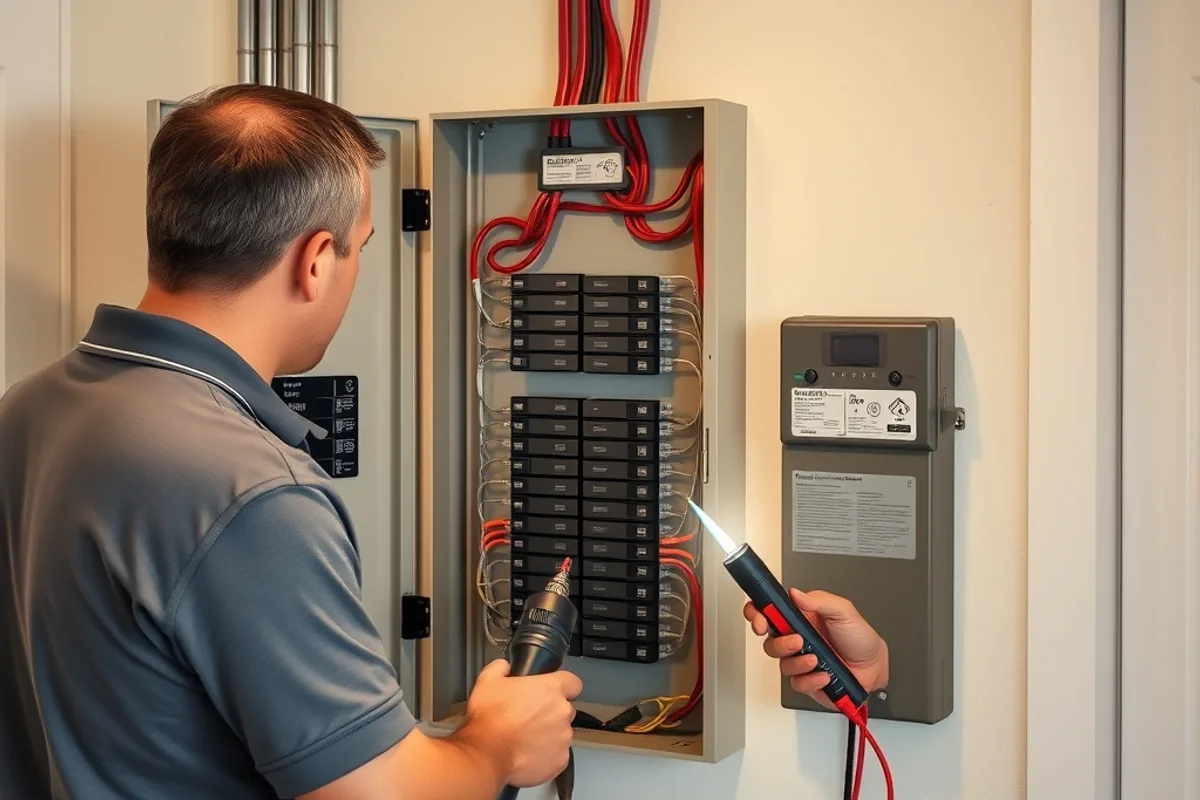
An electrician will perform a load calculation based on the size of the service, the square footage of the house, and the major appliances: electric range, water heater, dryer, air conditioning and heating. The result is the spare capacity available for a continuous load such as an EV charger.
EV charging is treated as a continuous load, which means the circuit must be sized at 125 percent of the charger's current. A 40-amp charger therefore needs a 50-amp circuit. If the calculation leaves less than that, you have three options: reduce the charger output, share an existing circuit with a smart device, or upgrade the service.
Level 1 is slower than you think, and often enough
A standard 120-volt outlet adds roughly 3 to 5 miles of range per hour. For a car driven 30 miles a day, that is a full overnight charge. For a car driven 80 miles a day, it is not. Level 1 works best for low-mileage households, plug-in hybrids and people who can leave the car plugged in for long periods.
The catch is that a standard outlet must be in good condition, on a dedicated circuit, and not shared with a space heater or a freezer. Do not use an extension cord. If the outlet is old or the circuit is shared, have an electrician install a dedicated 120-volt circuit; it is much cheaper than a panel upgrade.
“The cheapest home charger is the outlet you already have, used carefully.”
Sofia Alvarez, Electric Vehicles (EV)
Smart splitters and load management
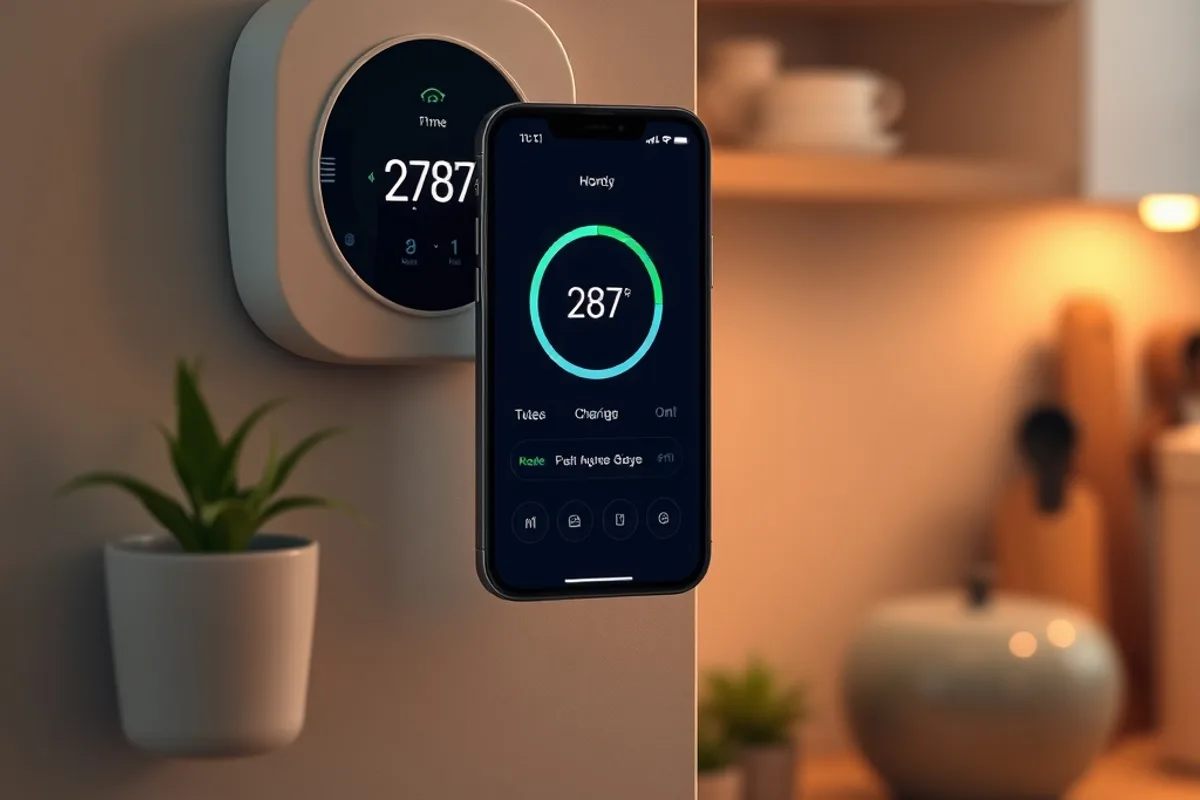
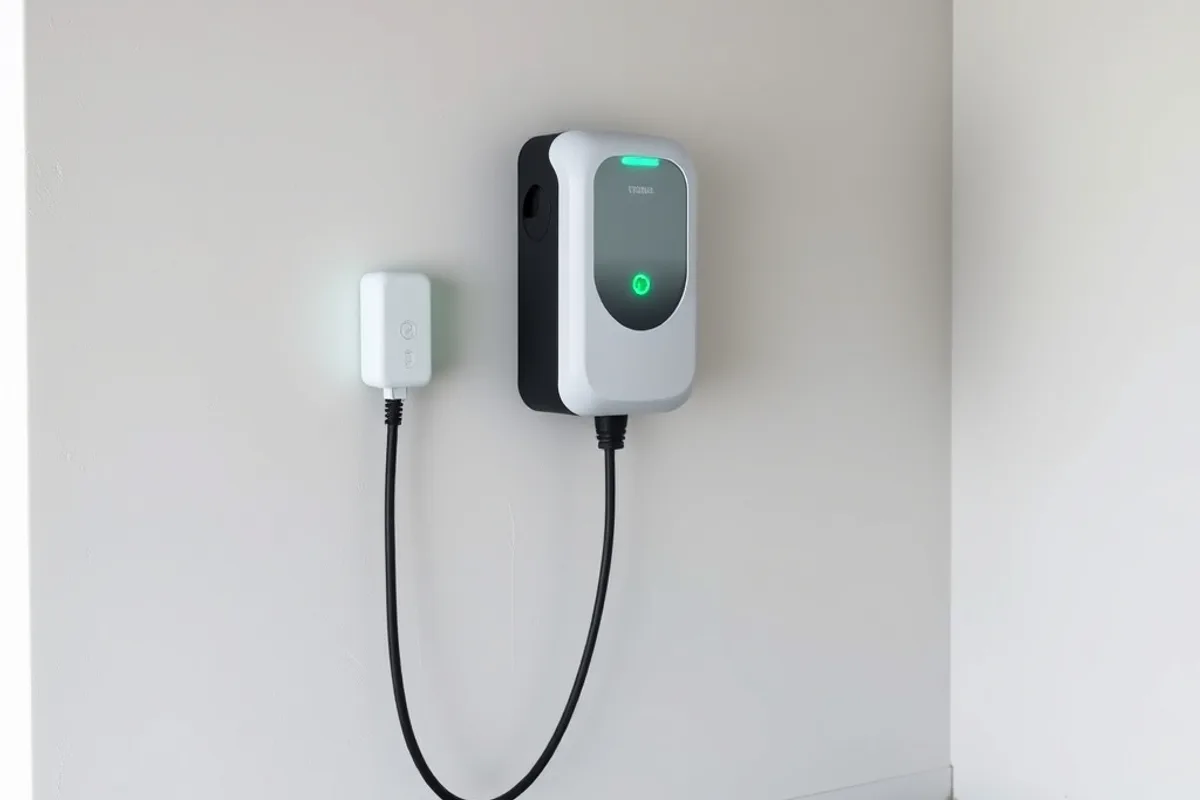
A load-management device monitors the main service and reduces or pauses EV charging when the house approaches its limit. Some are installed at the panel; others are built into the charger. This can let you install a 40- or 48-amp charger on a service that could not otherwise support it.
The trade-off is that charging may slow down at peak times, usually in the evening when the oven, dryer and heating are on. For most people, that is invisible: the car charges overnight anyway. Check local code and utility approval, because not every jurisdiction accepts every device, and the installation must still be permitted and inspected.
What it costs
A basic 240-volt circuit for a wallbox, with a short cable run and no panel work, typically costs $500 to $1,200 including labor and permit. A smart splitter or load-management device adds $600 to $1,500. A full panel upgrade can run $2,000 to $5,000 or more, depending on the service and local rules.
Utility rebates can change the arithmetic. Many now cover part of the charger or the wiring, and some offer lower overnight rates for EV charging. Check before you buy. The cheapest installation is the one that is properly sized, permitted and eligible for the rebate.
Questions to ask an electrician
Ask for the load calculation in writing, the proposed circuit size, the charger model and its maximum current, and whether a permit is included. Ask what happens if the car and the oven are running at the same time. A good installer will explain the trade-offs rather than simply quoting the biggest charger.
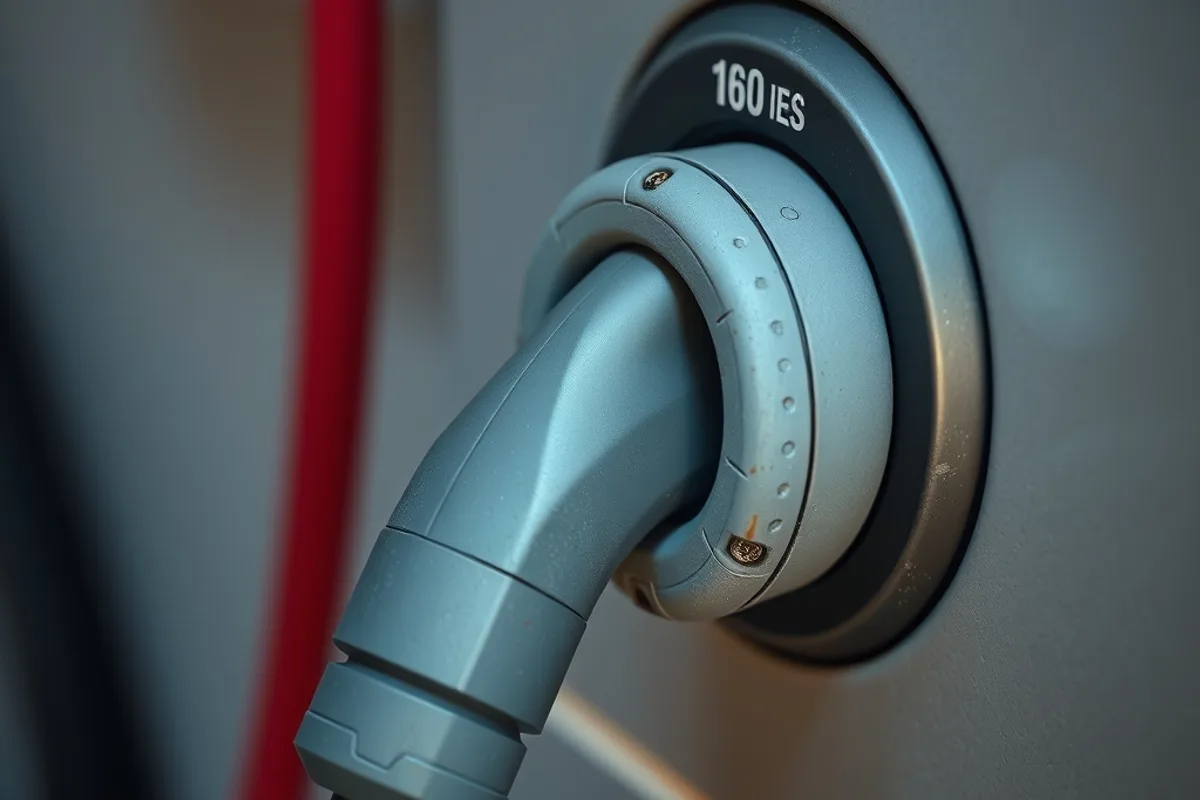
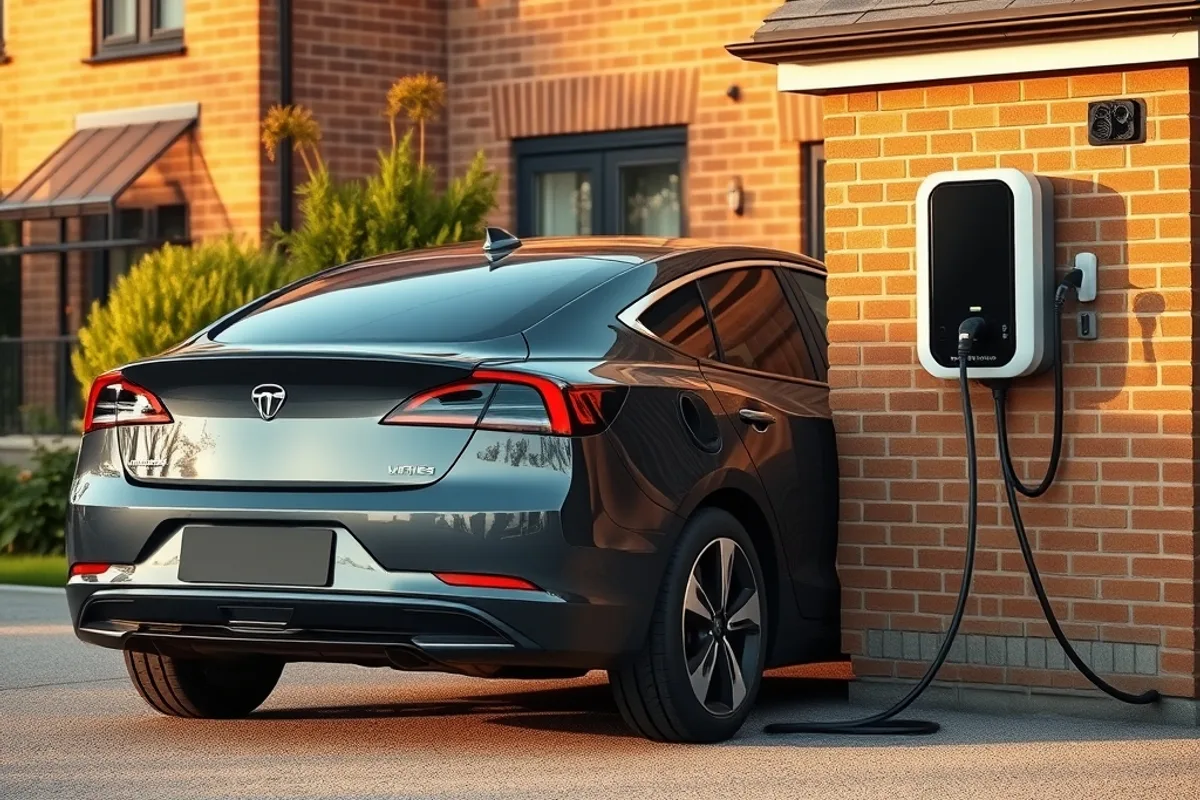
Finally, think about where the cable will live. A holster on the wall, a cable long enough to reach the port without stretching across a walkway, and a charger positioned out of direct rain will matter more day to day than the last few amps of charging speed.