Most breakdowns are not dramatic. They are a battery that has been weakening for months, a tire that has been losing pressure since the last cold snap, or a coolant level that has been quietly dropping. None of these failures is sudden. They are simply unseen, because nobody looked.
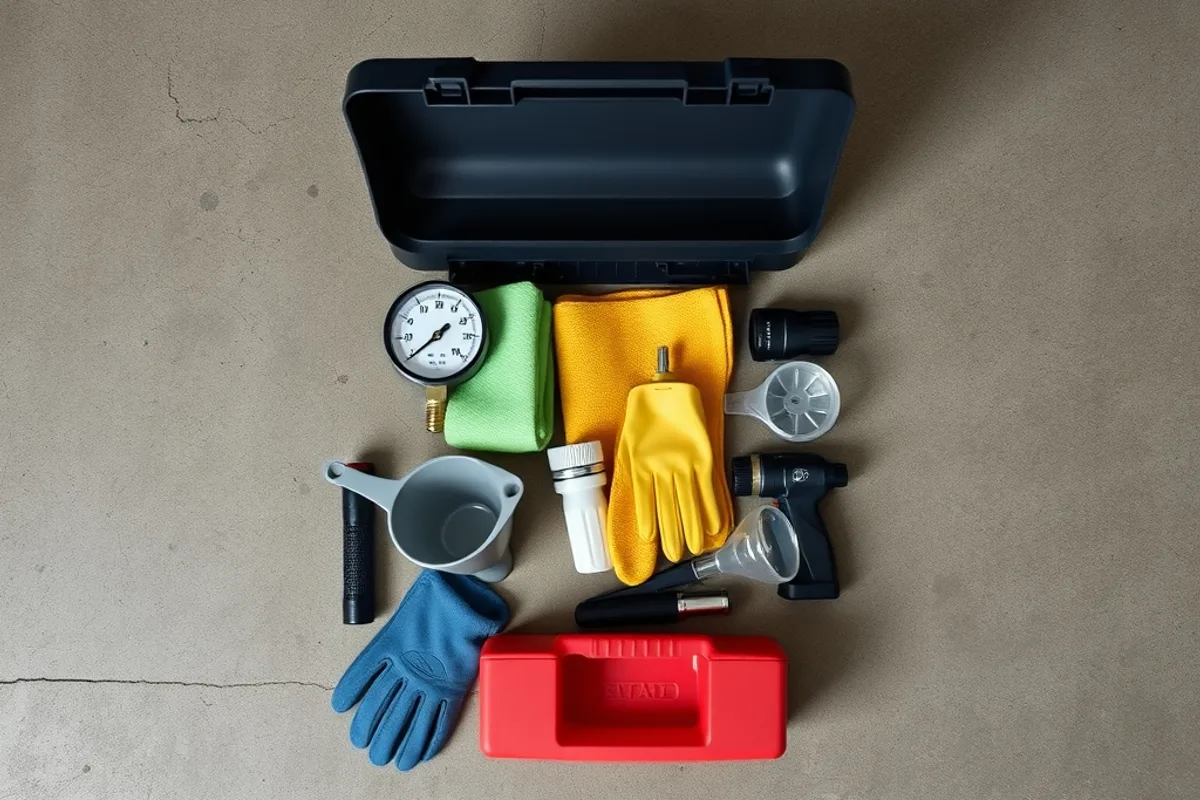
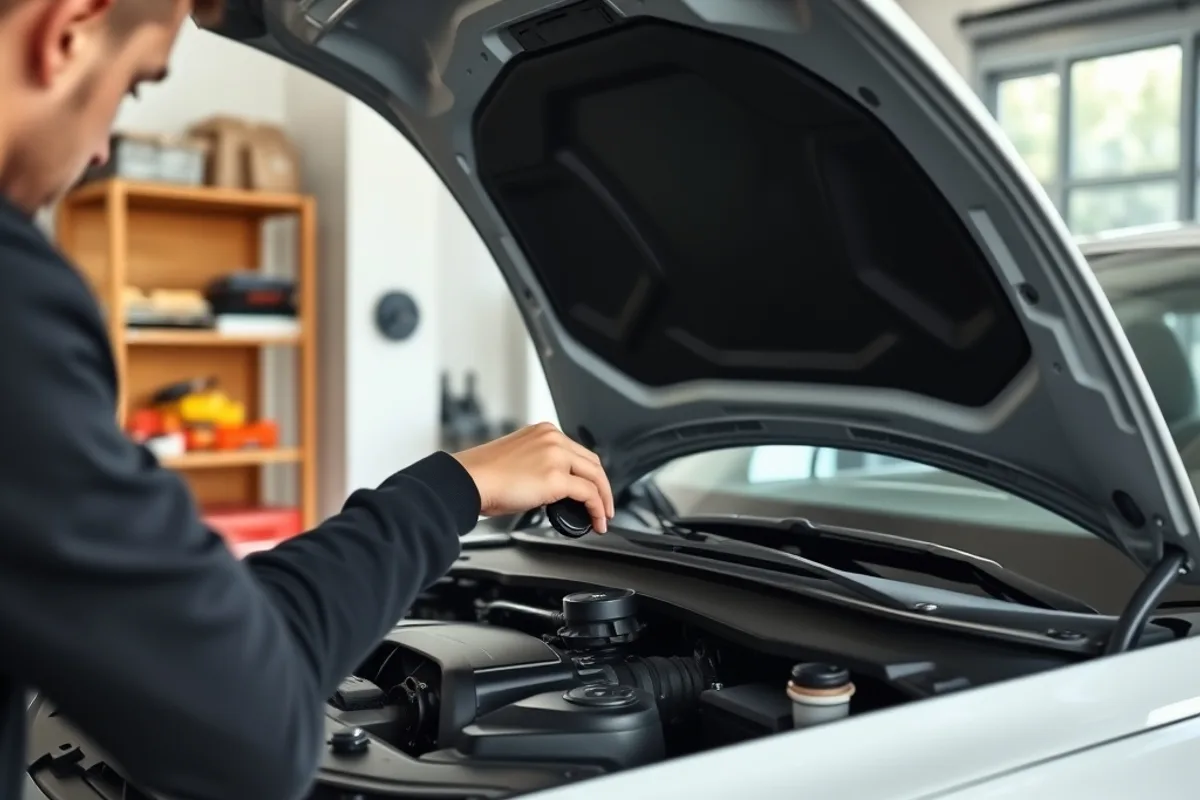
The fix is a 30-minute routine, once a month, with the car cold and parked on level ground. You do not need a workshop or a diagnostic computer. You need a torch, a tire gauge, a rag and the willingness to open the bonnet. Here is the checklist we use.
1. Tires: pressure, tread and sidewalls
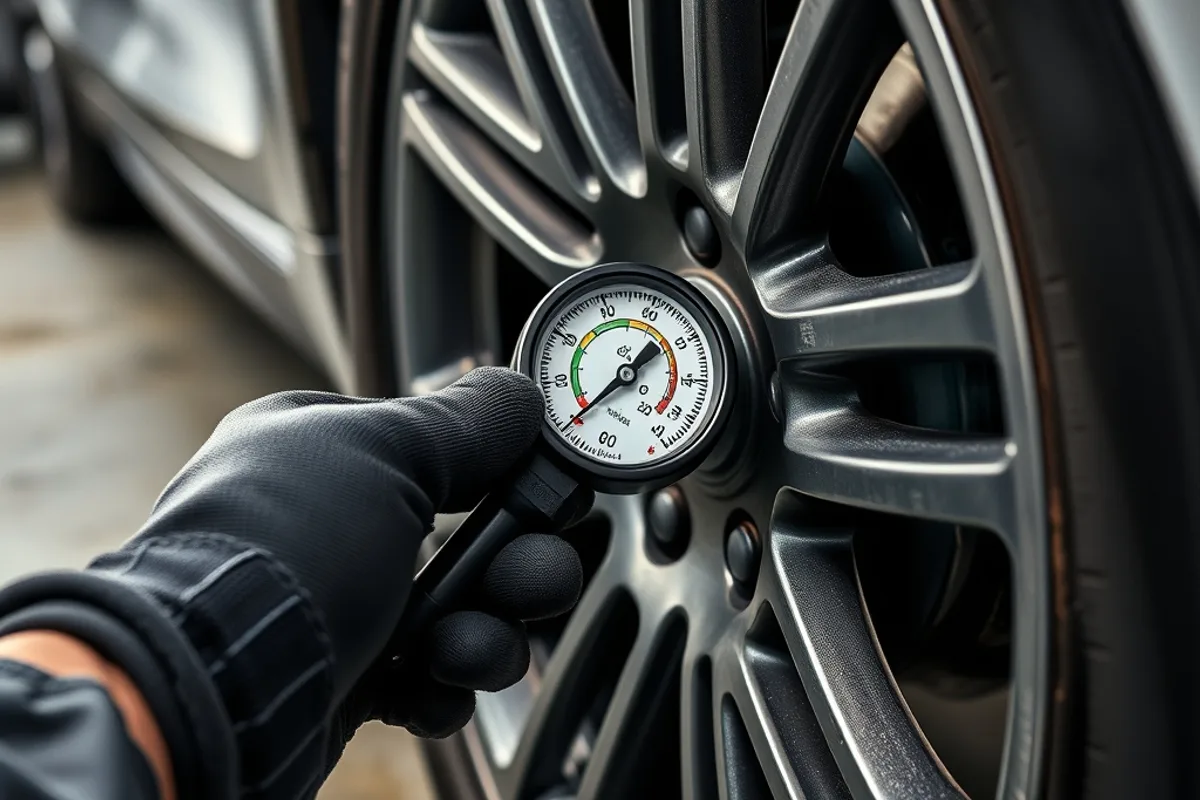
Check pressures when the tires are cold, ideally before you have driven more than a mile. Use the sticker in the driver's door jamb, not the number on the tire sidewall; the sidewall figure is a maximum, not a recommendation. A drop of 4 psi over a month is normal. A drop of 10 psi in a week means a puncture or a leaking valve.
While you are down there, look at the tread. The legal minimum in most places is 1.6 mm, but grip in the wet falls off well before that. We replace at 3 mm. Run a hand around each tire and feel for bulges or cuts in the sidewall. A bulge is a failure waiting to happen and cannot be repaired.
2. Fluids: oil, coolant, brake fluid, washer
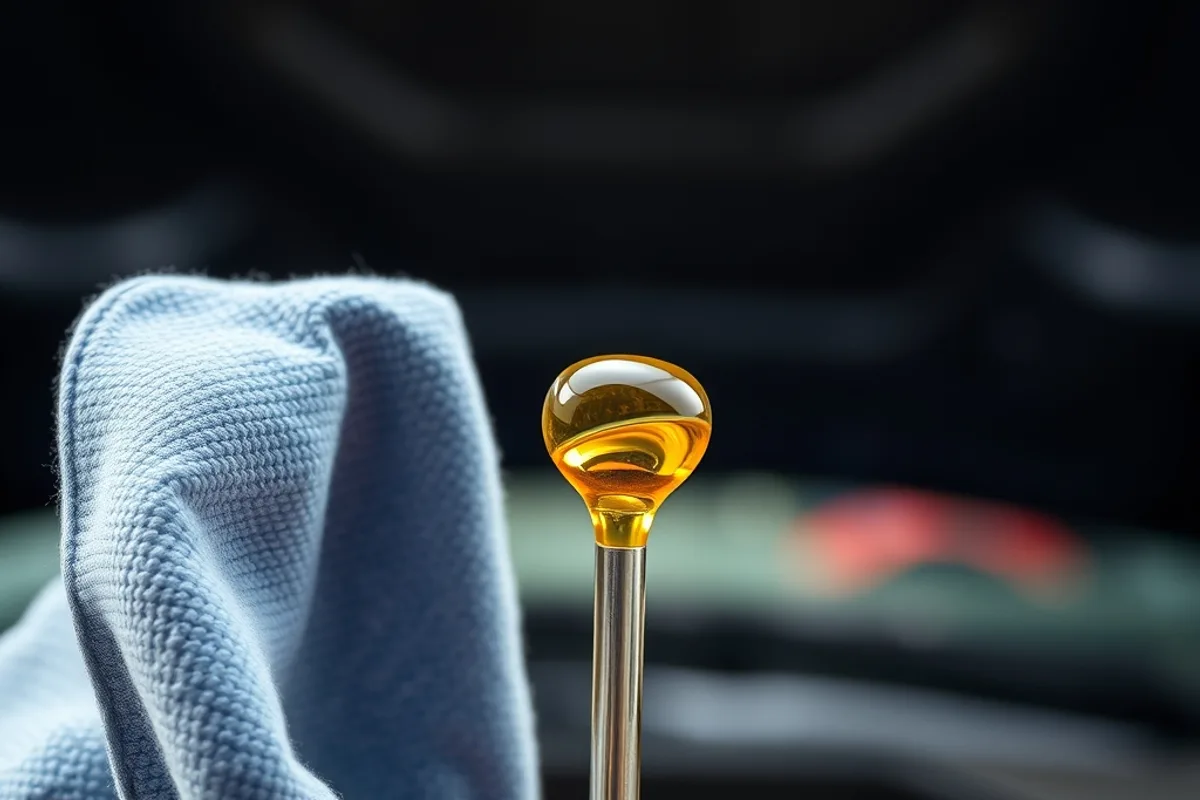
With the engine cold, pull the dipstick, wipe it, reinsert it and check the level. The oil should be between the two marks and should look amber or brown, not milky or black and gritty. If it is milky, stop driving and get the car checked; that can be a head gasket problem.
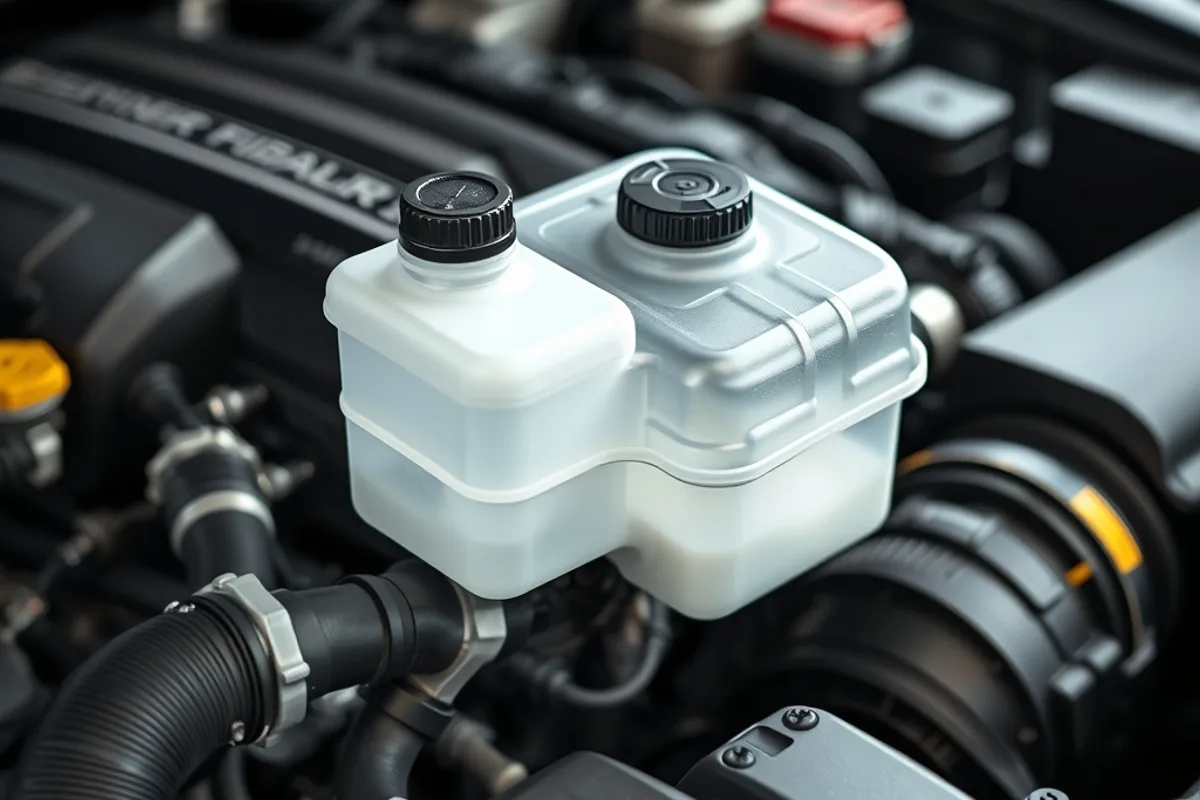
Check the coolant only when the engine is cold. The level should sit between the min and max marks on the expansion tank. Never open a hot cooling system. Brake fluid is harder to judge by eye; look at the level and the colour. Dark fluid is old fluid, and old fluid absorbs water, which lowers its boiling point. A brake fluid change every two to three years is cheap insurance.
“A breakdown is rarely one event. It is a small warning that nobody read, repeated for months.”
Marcus Bell, Car Maintenance
3. Lights and wipers
Ask someone to help, or use a wall or garage door as a mirror. Check headlights on low and high beam, indicators, brake lights, reverse lights and the rear fog. A failed brake light is both a safety risk and an easy thing for a police officer to notice.
Wiper blades last about a year in a sunny climate and less in a wet one. If they smear, chatter or leave a stripe, replace them. Top up the washer fluid with a proper screenwash, not washing-up liquid, which strips wax and can freeze.
4. Battery and belts
Look at the battery terminals for white or green corrosion. A light brushing with a solution of baking soda and water, followed by a rinse and a dab of petroleum jelly, will keep them clean. If the car cranks slowly or the lights dim at idle, have the battery tested; most auto parts stores do it free.
Check the accessory belt for cracks and glazing. On modern cars it is often a single serpentine belt, and a failure can take out the alternator, water pump and power steering at once. If it squeals on start-up, have it inspected.
5. Brakes and the quick road test
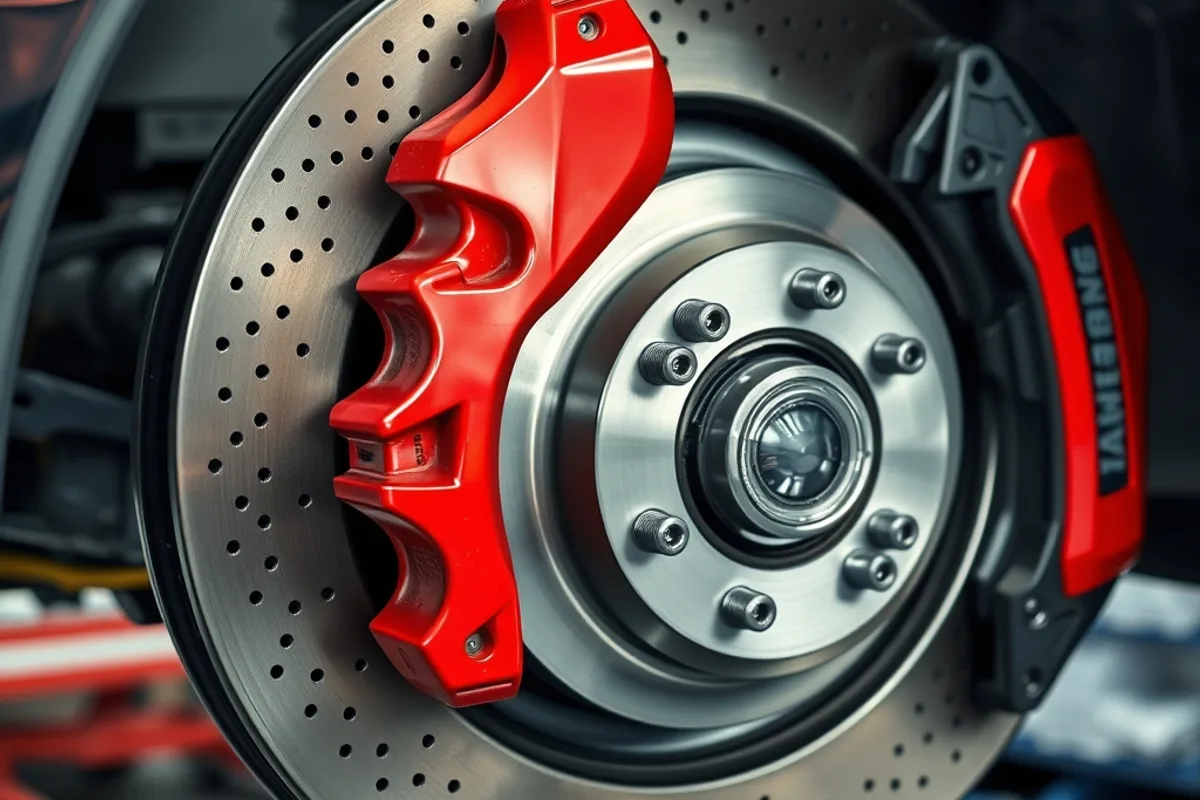
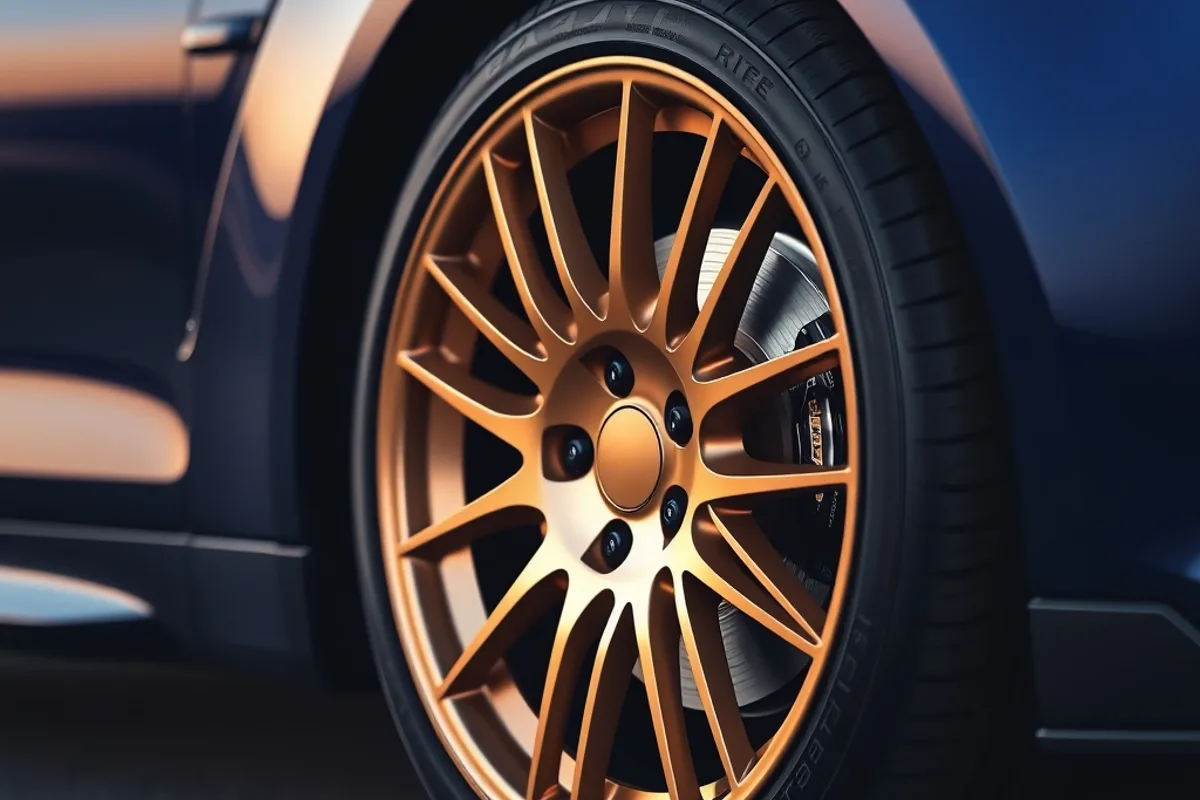
Look through the wheel spokes at the brake discs. Deep scoring, a pronounced lip at the edge or heavy rust on the friction surface are signs to get them inspected. Brake pads should have at least 3 mm of material; many start with 10 to 12 mm. If the pedal feels soft or the car pulls to one side under braking, stop and investigate.
Finish with a two-minute road test at low speed: listen for new noises, feel for vibration through the wheel or pedal, and check that the handbrake or electronic parking brake holds. Note anything unusual in your phone. A written record makes a garage conversation much more useful.
What you can skip
You do not need to change the oil every month, and you should not top up fluids with whatever is in the shed. Use the specification in the handbook. You also do not need to pressure-wash the engine bay; water and electronics are not friends. And do not rely on the dashboard service light alone. It tells you when the manufacturer wants a visit, not when the car needs attention.