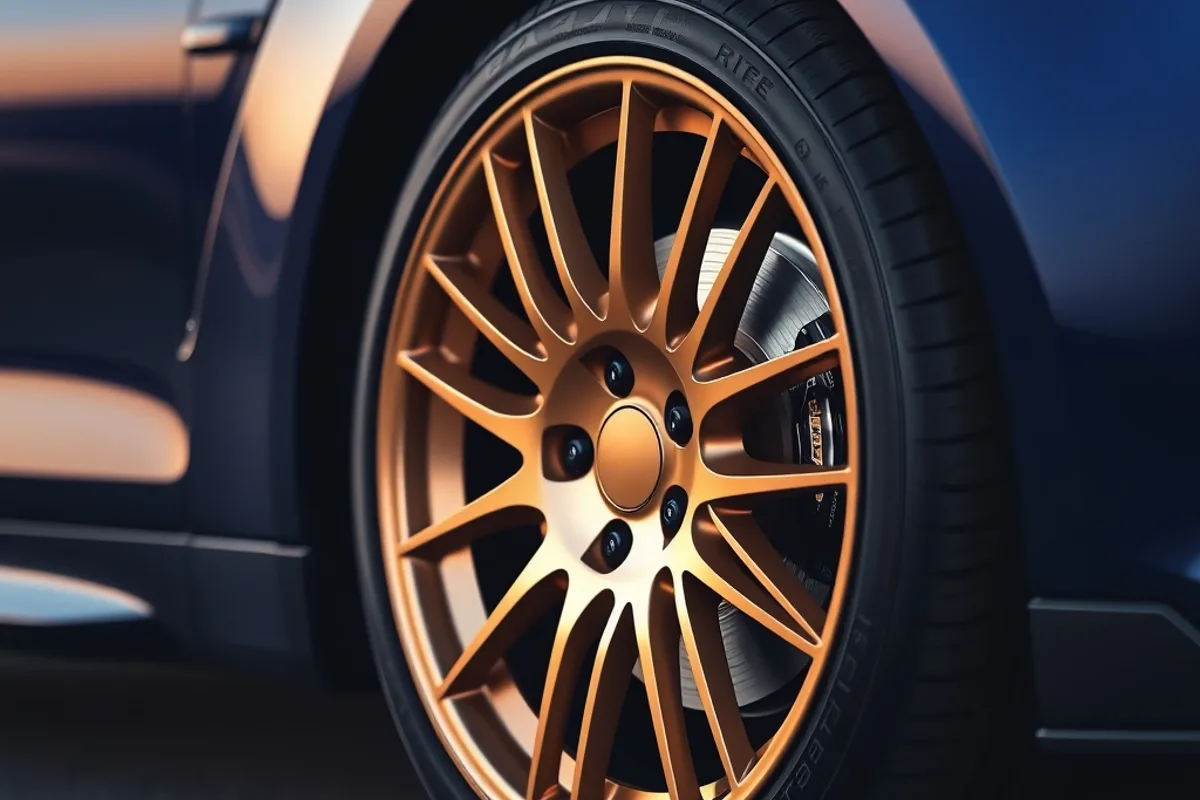
Wheel shopping is where enthusiasm most often outruns arithmetic. A set of 19-inch alloys can look spectacular in a listing and rub the arch liner on the first full lock. A wide tire can fill the wheel arch beautifully and make the steering numb. A bargain set can be the wrong load rating for a heavy car.
None of this is mysterious. Fitment comes down to five numbers and one habit: measure before you buy. Here is the short version, without the forum mythology.
The five numbers that matter
Diameter and width are the obvious ones. PCD (pitch circle diameter) is the bolt pattern, such as 5x114.3. Center bore is the hole in the middle; it must match the hub or use a correct spigot ring. Offset (ET) is the distance from the wheel's mounting face to its centerline. Get any of these wrong and the wheel will not fit, or will fit badly.
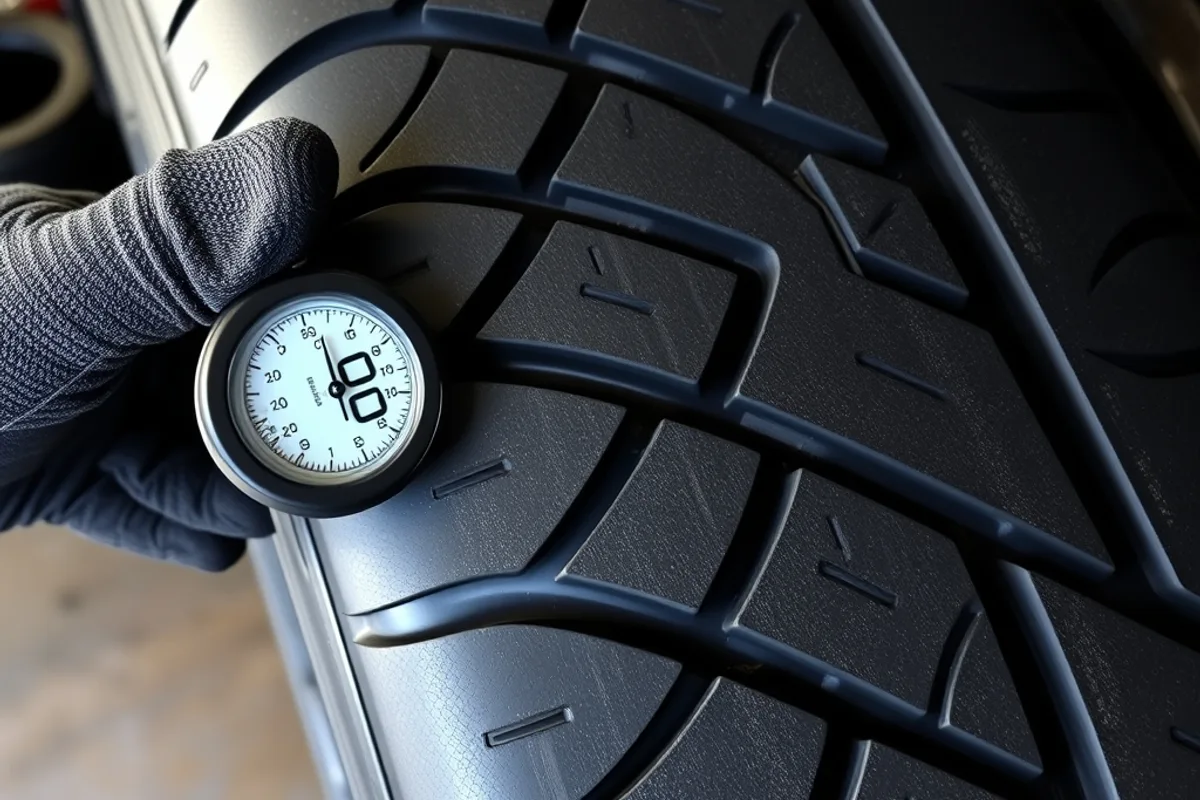
Tire size is the sixth number, and it is not independent. A 245/40 R18 has a different sidewall height and rolling circumference than a 235/45 R18. Changing the overall diameter affects the speedometer, gearing and sometimes the calibration of driver-assistance systems. Stay within a few percent of the original rolling radius unless you are prepared to recalibrate.
Offset and clearance
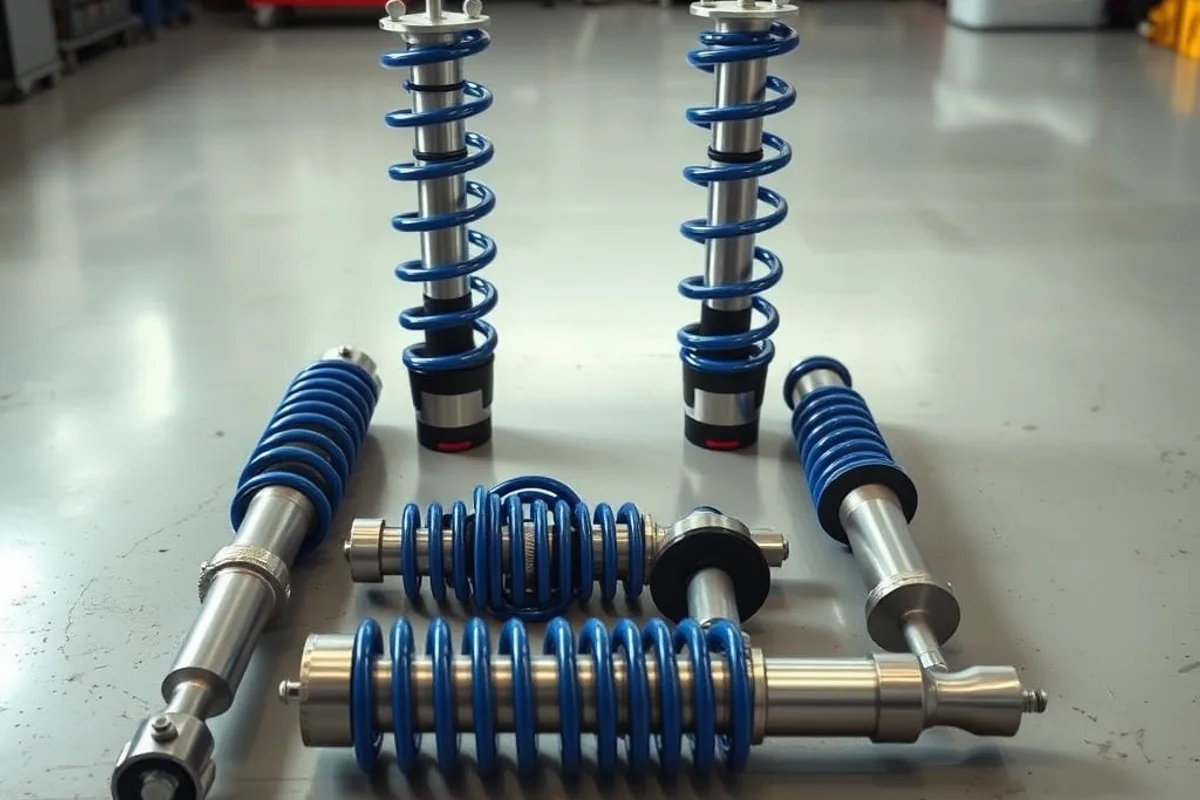
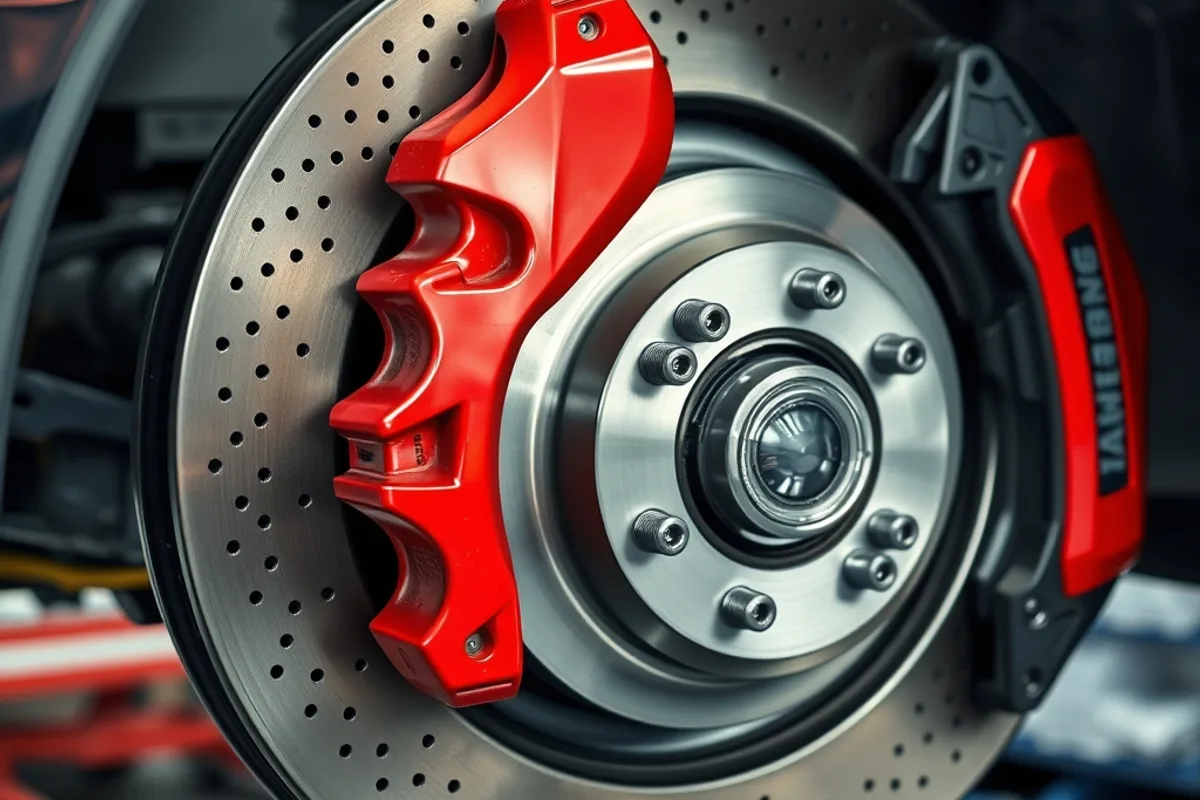
Lower offset pushes the wheel outward, toward the arch. Higher offset tucks it inward, toward the suspension. A change of 10 mm is visible; a change of 20 mm can cause rubbing. Clearance is not just about the arch. Check the inner barrel against the strut, the brake caliper and the suspension arm.
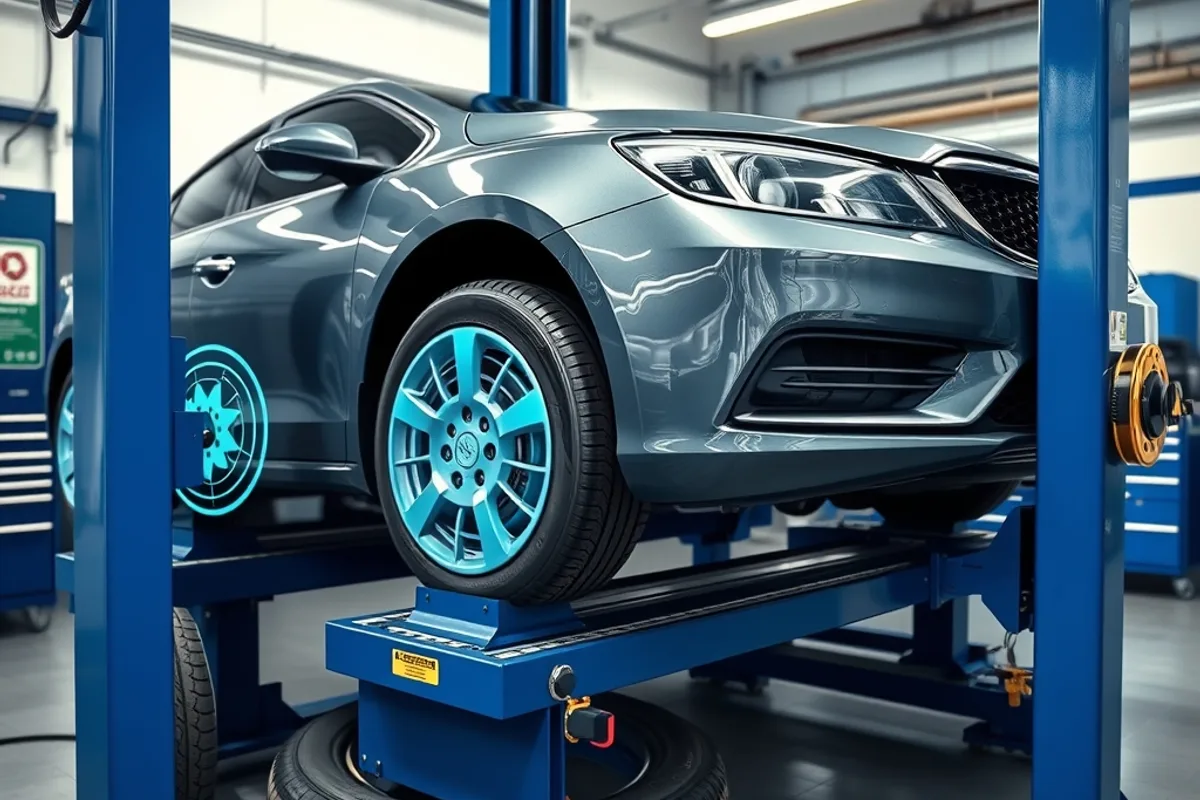
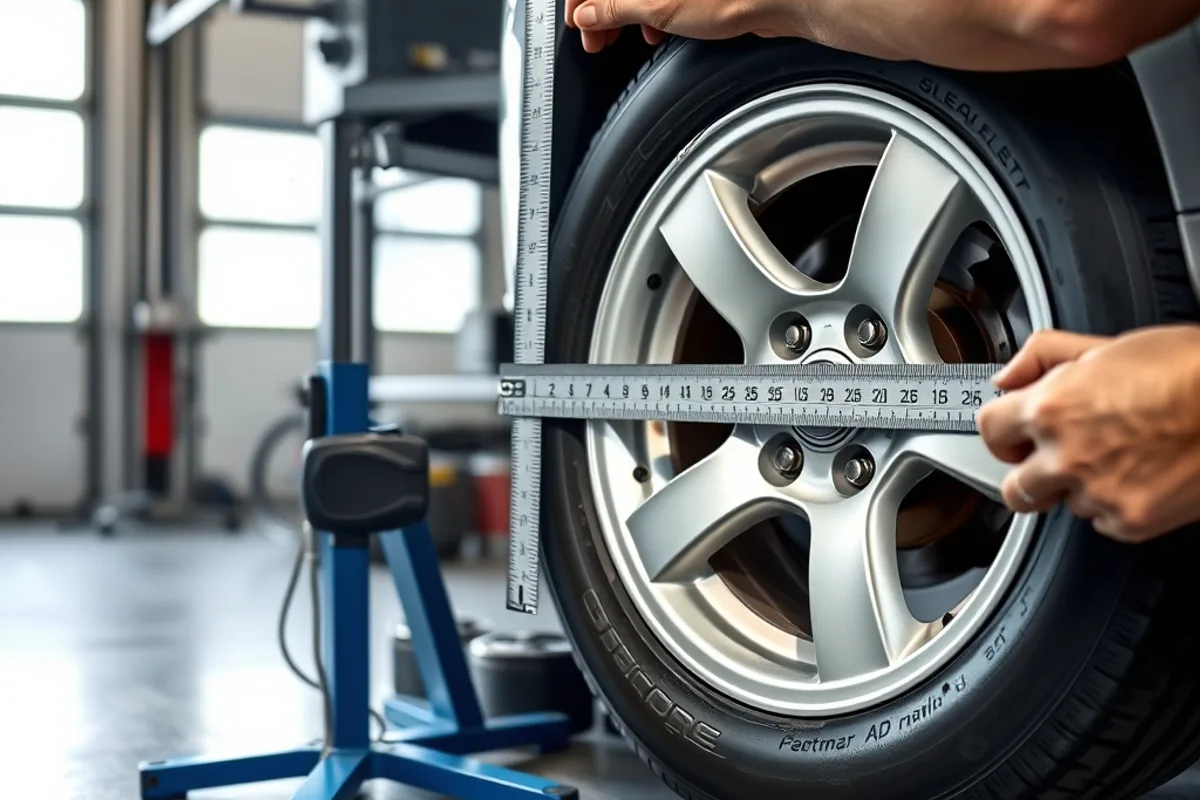
The only reliable way to know is to measure on the car. Turn the steering to full lock and inspect the gap. Load the car with passengers or luggage and check again. A setup that clears in the driveway can rub on a dipped road at speed.
“If you have to ask whether it will rub, the answer is usually yes at full lock with two passengers.”
Hana Kim, Car Modification
Tires, load rating and speed rating
A wider tire is not automatically a better tire. Too wide on a narrow rim reduces sidewall support and makes steering vague. Too narrow on a wide rim stretches the sidewall and exposes the rim to kerbs. Match the tire to the wheel width within the manufacturer's recommended range.
Check the load index. An electric car or a large SUV is heavy, and an under-rated tire can overheat and fail. The speed rating should meet or exceed the car's capability. Budget tires are a false economy on a performance car; braking and wet grip are the first things to suffer.
TPMS, lug hardware and alignment
Most cars built after 2008 have tire-pressure monitoring. New wheels need either the original sensors transferred or a compatible set, and they usually need to be paired. Skipping this leaves a warning light and no pressure data.
Use the correct lug bolts or nuts for the wheel. A conical seat and a ball seat are not interchangeable, and the wrong hardware can loosen. Torque to the manufacturer's figure with a calibrated wrench, in a star pattern. Then get an alignment. New wheels change the scrub radius and can reveal geometry issues that were previously hidden.
The look versus the drive
A flush fitment looks great in a photo. A car that tramlines on every road seam, rubs on speed bumps and wears the inside edge of its tires is not much fun to own. Build for the roads you actually drive on, not the ones in the advertisement.
If you are unsure, choose a conservative offset, a tire size close to standard and a reputable brand. You can always add spacers later, once you have measured. It is much harder to un-rub a fender.