Brakes are the one system on a car where "it still stops" is not a diagnosis. A pad worn to the backing plate will still slow the car, right up until the moment it scores the rotor, overheats the fluid or fails entirely. The warning signs are usually audible long before that. The trick is knowing which noise means what.
We asked two independent workshop owners what they see most often, and the answer was consistent: drivers who wait for a grinding noise, then discover that a $180 pad job has become a $700 pad-and-rotor job. Here is how to tell the difference early.
What each noise means
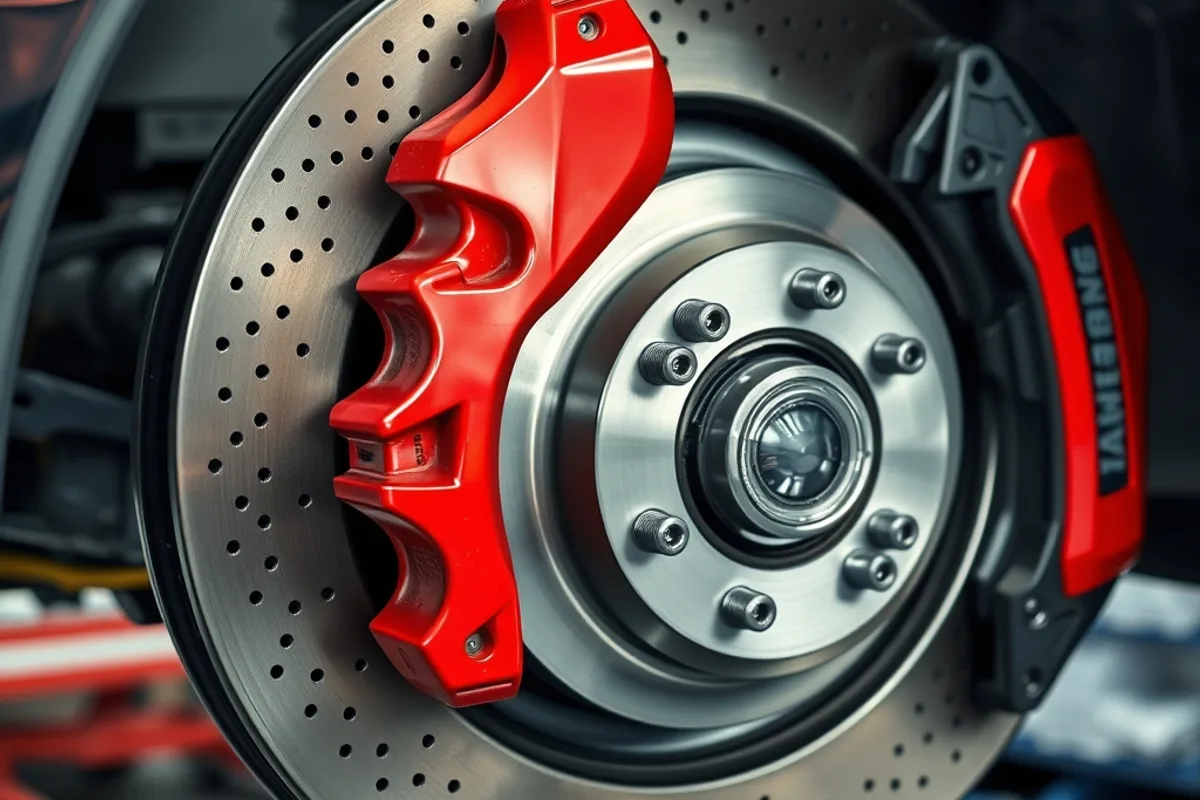
A high-pitched squeal on light braking is often a wear indicator: a small metal tab designed to touch the disc when the pad is near its limit. It can also be glazed pads, dampness or cheap pad compound. If the squeal disappears after a few stops, it may be surface rust or moisture. If it is consistent, get the pads checked.
A grinding or metal-on-metal noise is different. That is usually the backing plate contacting the rotor. By this point the pad material is gone, the rotor is being machined by bare metal, and every mile adds cost. Stop driving and have the car towed or driven slowly to a workshop.
A pulsation through the pedal, especially at higher speed, usually points to uneven pad deposits or a warped rotor. A soft or spongy pedal points to air or moisture in the hydraulic system, which is a separate and more urgent problem.
Pads: the 3 mm rule
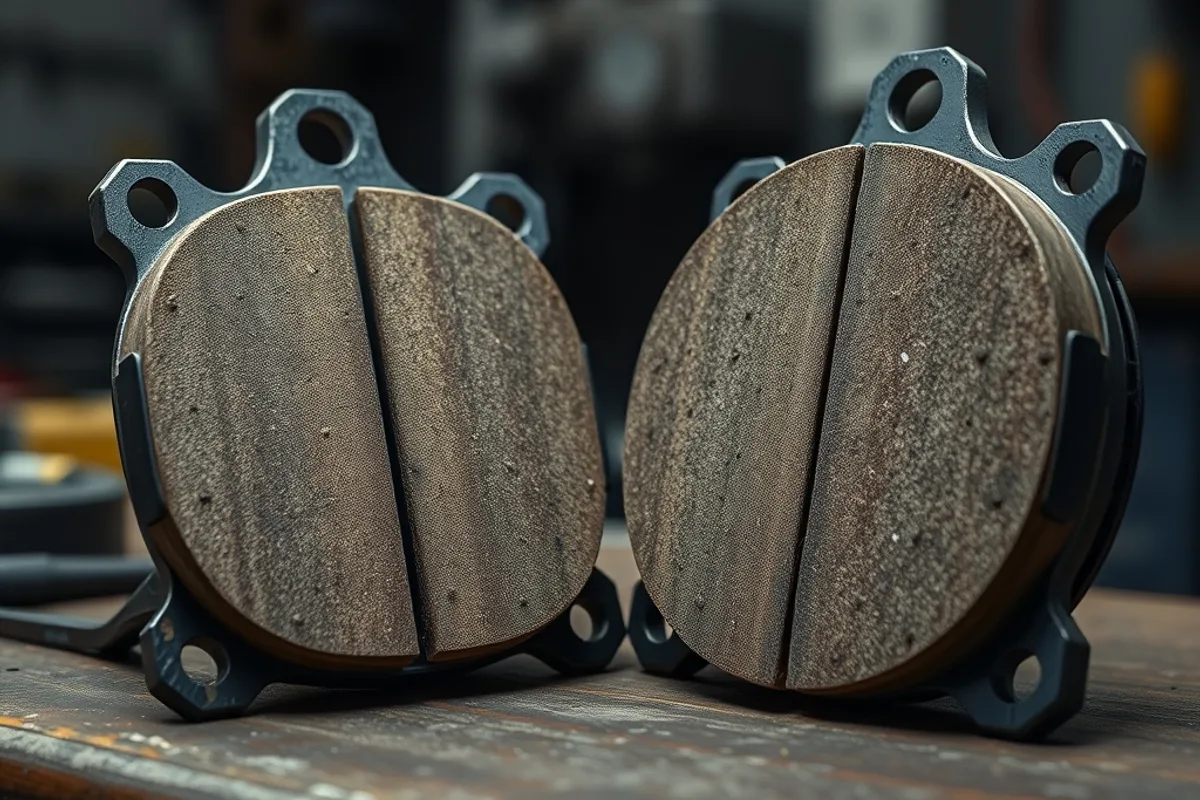
New brake pads typically have 10 to 12 mm of friction material. Most manufacturers specify replacement at 2 to 3 mm. We use 3 mm as a working limit, because pad wear is not linear: the last few millimetres disappear faster, especially on a heavy car or in hilly terrain.
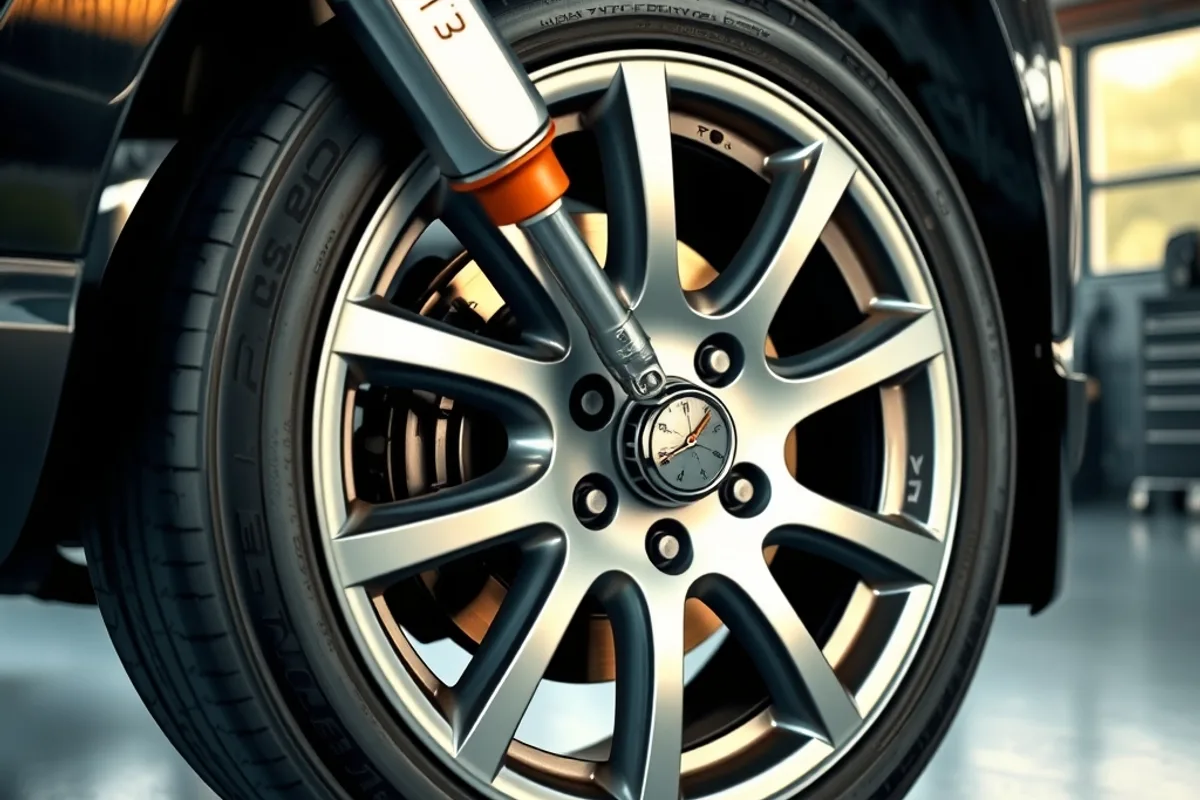
You can often inspect the outer pad through the wheel spokes with a torch. The inner pad is harder to see and often wears faster. That is why a proper inspection removes the wheel. If you are paying for a brake inspection and nobody takes a wheel off, ask why.
“The most expensive brake repair is the one you postponed until the rotor was ruined.”
Elena Marsh, Car Maintenance
Rotors: thickness beats appearance
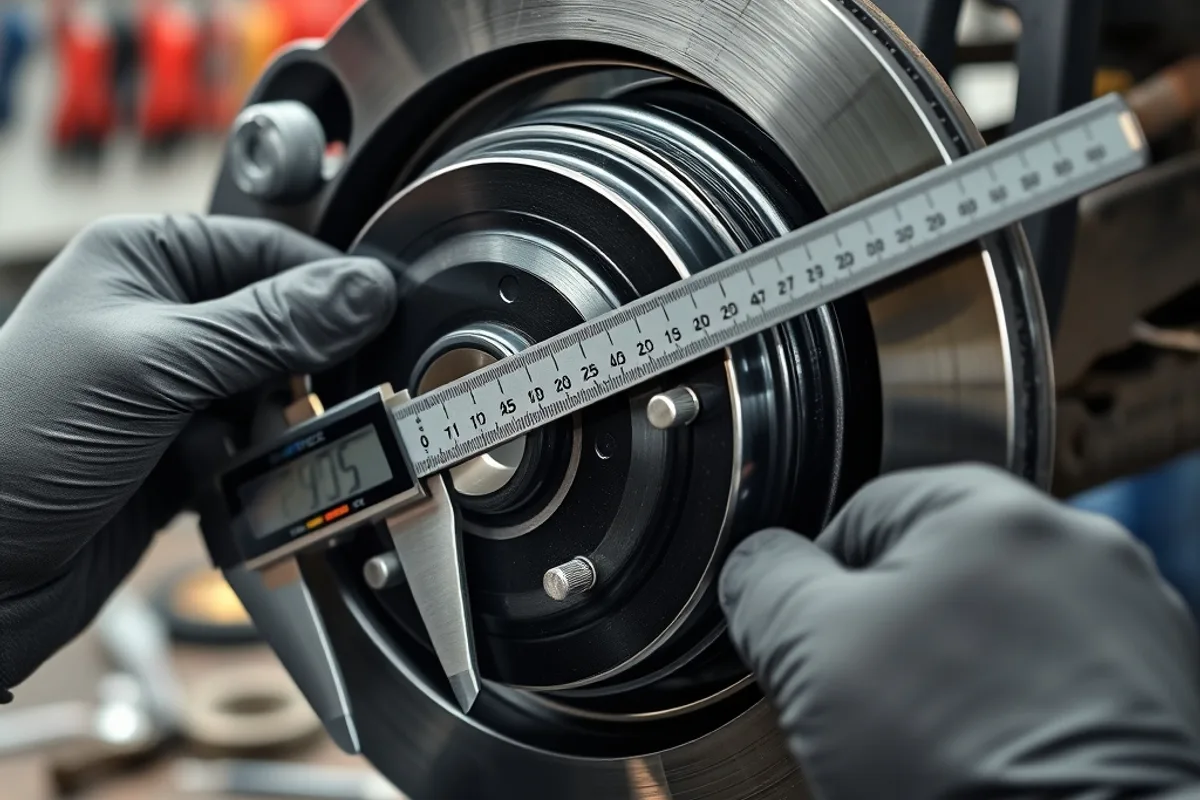
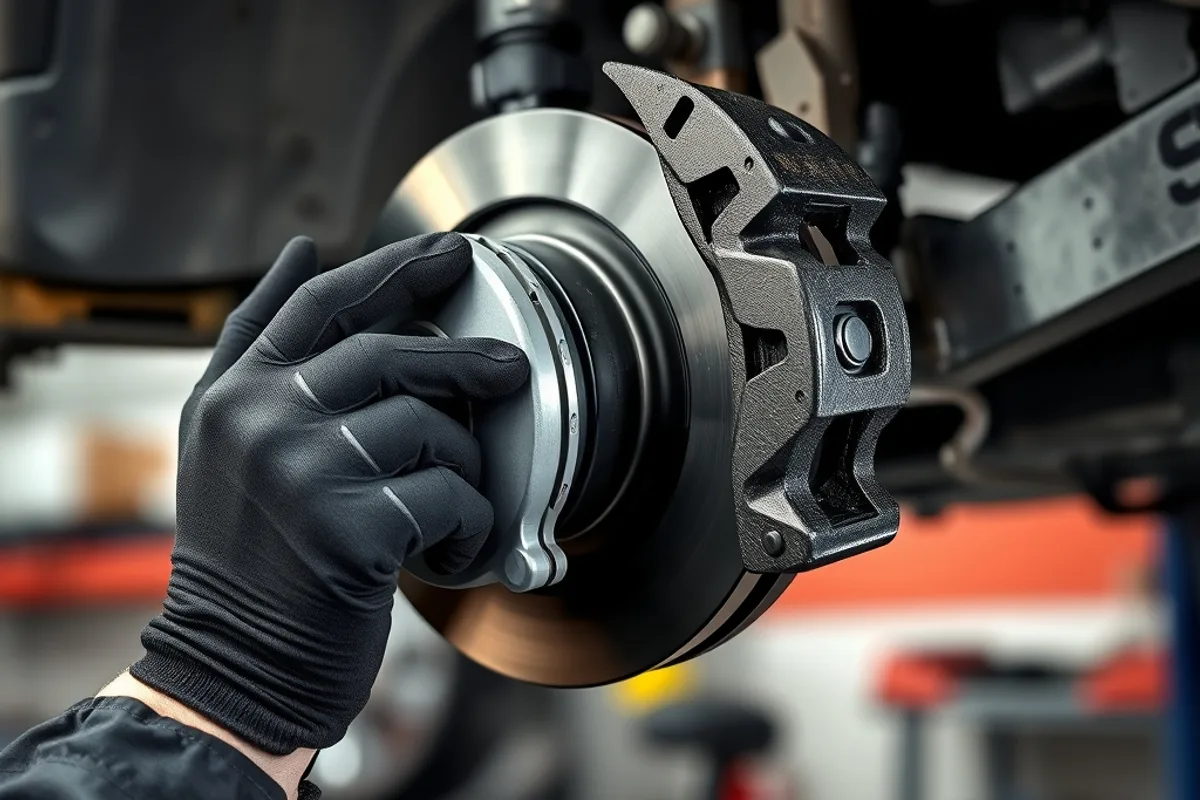
A brake rotor has a minimum thickness stamped on its hub or listed in the service data. Machining a rotor removes material; if it goes below the minimum, it cannot safely dissipate heat and may crack. Many modern rotors are designed to be replaced rather than resurfaced, especially on heavier cars.
Visual checks still help. A pronounced lip at the outer edge, deep grooves, blue heat spots or heavy pitting are all reasons to measure or replace. A rotor that looks smooth can still be warped or below spec. The measurement takes two minutes with a micrometer and is the only way to know.
What a fair brake job includes
A proper front brake job should include new pads, rotors if they are at or below minimum, a clean and lubricate of the caliper slide pins, a check of the caliper piston and dust boot, and a brake fluid condition check. On older cars, expect the flexible hoses and hard lines to be inspected too.
Ask for the old parts. A reputable shop will show you the worn pads and the rotor thickness readings without hesitation. Expect to pay roughly $250 to $450 per axle for pads and rotors on a mainstream car, more on a performance model or one with electronic parking brakes that need a service mode. A dealer may charge 30 to 50 percent more.
The first 200 miles
New pads and rotors need bedding in. Drive normally for the first 100 to 200 miles, avoiding repeated hard stops from high speed. Some shops provide a specific bedding procedure; follow it. If the brakes squeal after a week, return to the shop. A good installation should be quiet in normal use, even if a little dust is normal.
Finally, do not ignore the rear brakes. Many cars use rear pads for stability control and adaptive cruise control, and they can wear faster than owners expect. A yearly inspection of all four corners is cheaper than discovering a seized caliper on a rainy night.