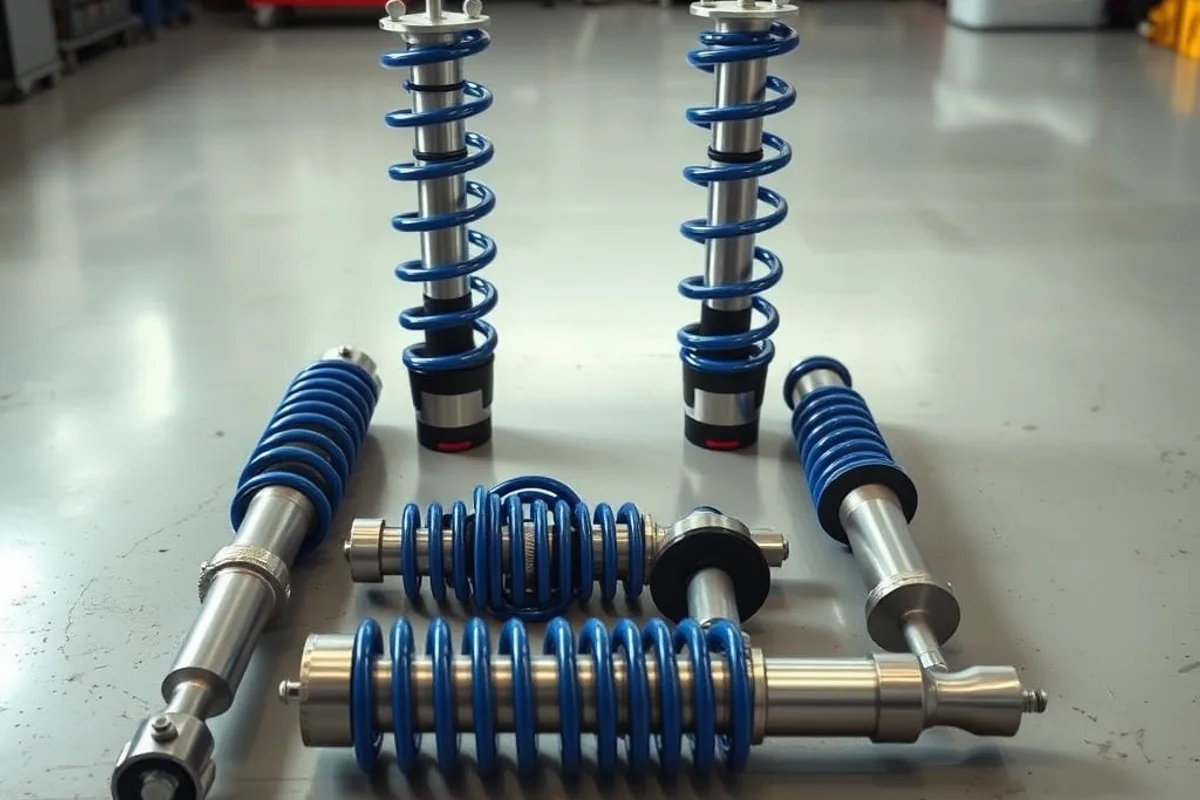
The aftermarket sells suspension in the same way it sells cologne: with a promise of transformation and very little discussion of the downside. Lowering springs are cheap. Coilovers look serious. Sway bars are a bargain. But a daily driver is not a track car, and the modifications that make a car faster on a smooth circuit can make it miserable on a broken city street.
The good news is that the most effective upgrades are also the most boring. Fresh dampers, correct alignment, healthy bushings and a modest drop will transform a tired car without turning every speed bump into an event. Here is what actually works.
Start with wear, not parts
Before buying anything, inspect the existing suspension. Worn top mounts, perished bushings, leaking dampers and tired ball joints will make even the best new springs feel vague. A 10-year-old car with 120,000 miles often needs a refresh more than an upgrade.
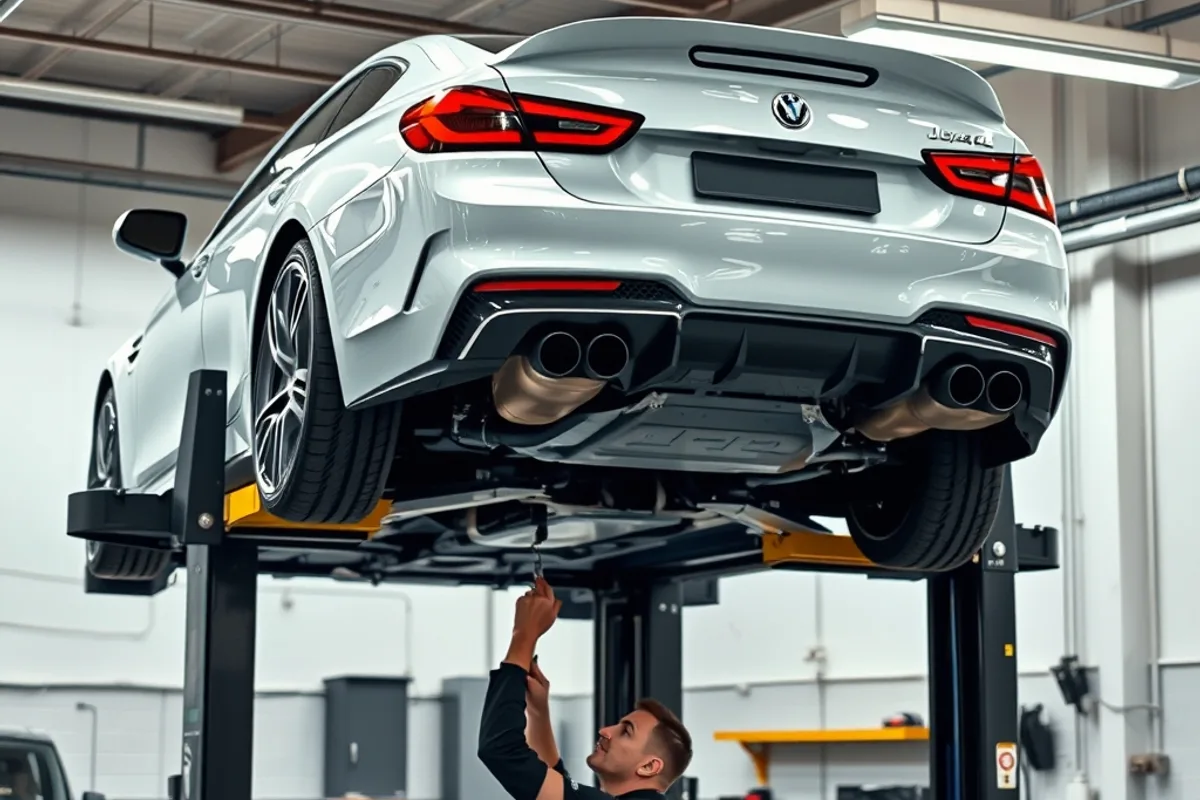
A simple bounce test is not enough. Put the car on a lift and look for oil mist on the damper bodies, cracked rubber and play in the joints. If the car clunks over bumps or wanders on the motorway, fix that first. You cannot tune a worn system into a good one.
Springs alone are a compromise
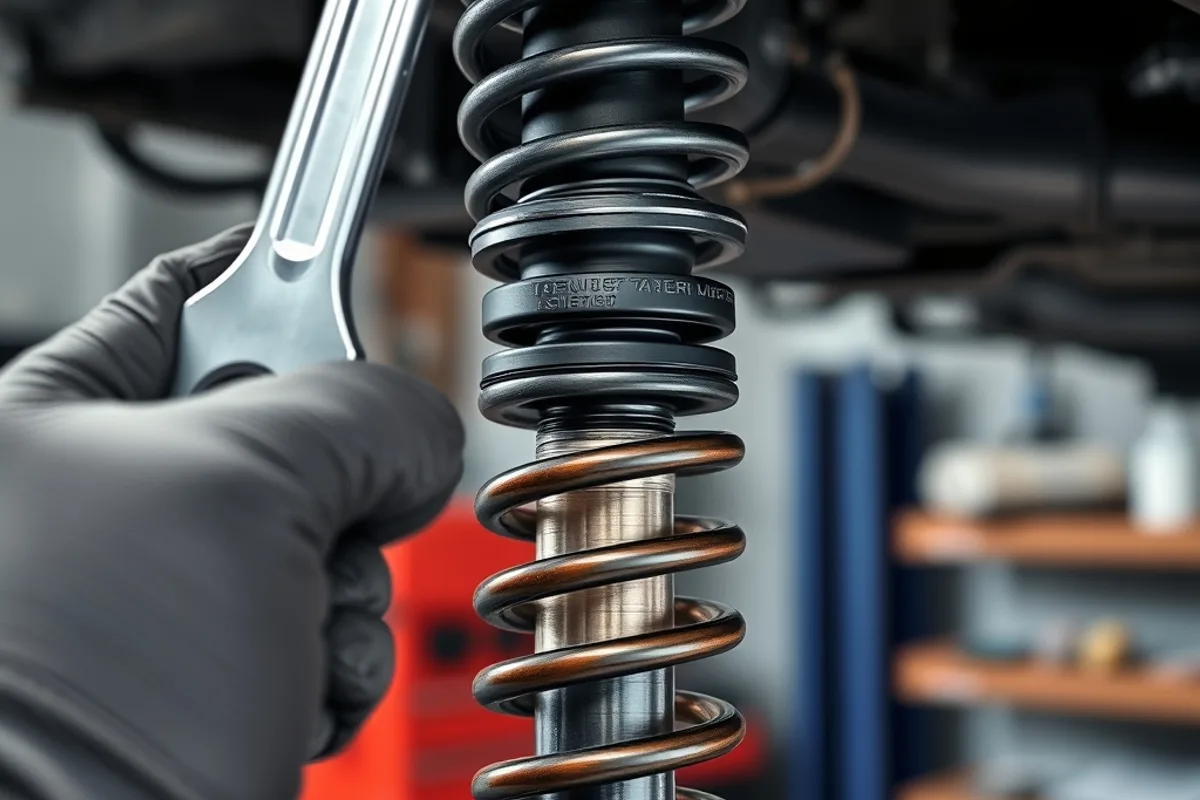
Lowering springs are the cheapest way to change ride height and reduce body roll. They are also a mismatch with standard dampers, which are valved for the original spring rate and travel. The result is often a harsher ride, reduced suspension travel and dampers that wear out faster.
If you only want a modest drop and your dampers are healthy, a good-quality spring set can work. Keep the drop under 30 mm, choose a reputable brand and budget for an alignment. If you want real control over height and damping, save for a matched coilover kit instead.
“A lower car is not automatically a better car. Geometry and travel matter more than the number on the arch gap.”
Tomas Vega, Car Modification
Coilovers: buy once, cry once
A decent coilover kit pairs springs and dampers, allows height adjustment and usually offers rebound adjustment. Cheap kits cut corners on valving and corrosion protection, and the ride suffers. A good kit for a mainstream car starts around $1,200 and climbs quickly.
Set the ride height first, then corner-weight the car if you are serious, then align it. Do not slam the car to the lowest setting and expect it to handle. Too little travel means the car rides on the bump stops, which is both uncomfortable and unpredictable. For a daily driver, a 20 to 35 mm drop is usually the sweet spot.
The supporting cast
Sway bars reduce body roll without ruining ride quality, because they only act in corners. A stiffer rear bar can reduce understeer, but too much rear stiffness makes the car nervous in the wet. Adjustable bars let you tune the balance, but start soft.
Bushings are the invisible upgrade. Replacing tired rubber with stiffer polyurethane sharpens steering response and reduces slop, at the cost of some noise and vibration. For a daily driver, use rubber or a soft poly on the road and save the stiff stuff for the track. Finally, get a proper alignment with the car at its final ride height. Camber and toe settings have a bigger effect on how a car feels than most bolt-on parts.
Legality, insurance and resale
Check your local rules before you lower anything. Some jurisdictions set a minimum ride height, require an engineering certificate or ban certain modifications outright. In many countries, modifying suspension counts as a material change for insurance; failing to declare it can void a claim.
Keep the original parts. A car with a documented, reversible modification and a folder of receipts is easier to sell than one with unknown components. And if the car is leased, read the contract before you touch the suspension. Returning a lease with non-standard springs can be expensive.